
Category Archives: Biotech

New UN Program Will Ensure Developing Nations Continue to Have Access to Drugs Effective At Treating Malaria

Earlier this week, the United Nations announced a new plan of action designed to help fight disease resistance to artemisinin, the world’s most potent treatment for malaria. Launched by the UN World Health Organization (WHO) and the Roll Back Malaria Partnership (RBM), the groups hope to better contain and prevent resistance to artemisinins, the critical component of artemisinin-based combination therapies (ACTs), which are currently the most effective weapon in treating falciparum malaria.
The WHO’s announcement describes the plan as a five-step process which “aims to contain and prevent artemisinin resistance by stopping the spread of resistant parasites, increase monitoring and surveillance for artemisinin resistance, improve access to malaria diagnostic testing and rational treatment with ACTs, invest in artemisinin resistance-related research, and motivate action and mobilize resources.”

Global Health Progress is hopeful that this action plan will help to ensure that developing nations continue to have access to drugs that most effectively treat malaria. Many malaria-stricken countries lack the resources needed to keep an effective health care system running smoothly. Strong, effective health systems are vital to helping those in need of access to drugs, and health care improvements made today will strengthen the ability of countries to develop sustainable systems that can meet tomorrow’s challenges. Stopping the spread of drug-resistant strains of malaria and other diseases are essential to these goals.

Investing in local R&D capacity and national research systems is another way research-based biopharmaceutical companies help strengthen health systems. Local production can play a valuable role in building overall local capacity and enabling developing countries to increase access to essential medicines.

It is the responsibility of the entire international community to facilitate access to medicines. Success depends on all sectors working in partnership; not only to make medicines more accessible, but also to ensure continued innovation into new medicines for the treatment and prevention of all diseases.

About Global Health Progress:
Global Health Progress also supports efforts to raise awareness and mobilize resources to address health challenges in the developing world by bringing local leaders together with international health experts, policymakers, donor governments, and the private sector. www.globalhealthprogress.org;  twitter.com/globalhealth; facebook.com/pages/Global-Health-Progress/124850684219049;  linkedin.com/groups?home=&gid=2972068

Via EPR Network
More Healthcare press releases
Next Genetic Natural Stem Cell Therapy Established

Division of Gene Medicine & Stem Cell Application, School of Medical Science, complete the research and established completely new protocol totally recovering natural bio mechanism of hair regrowth.

The researchers, led by Lord. Prof. Dr. Daichent Otto Rie, specified protein and genom to affect internal bio mechanism to generate hair and control the level of successful growth being low which is the baldness.

The key cast of the set of the bio cycle is hair follicles, which is stem cell on head skin and effect or holding function to cure many neurotic diseases and disorders like Alzheimer’s disease – Prion Disease and even Trion Disease (Post Hetero-Plastic Implantation Chronic Inflammation Syndrome; PhCIS) has absolutely unique character being retrieved absolute stem cell, which can recover the ability as stem cell after got adult. The key genom and DNA has been found through the Genom Project’s T-Protocol research developing in the government registered Genom Project since 2005. The most concentrated attention of researchers is not “what is cause” but “What protocol is best”.

The team of Prof.Daichent has successfully completed in vivo and in vivro experiment actually using voluntary patients whose types of hair loss being across over highly wide range extent to even lymphoma and cancer and finally established next genetic hair loss curing treatment protocol mainly composed of stem cell therapy and gene therapy.

Most of cases are treatable through entry level stem cell theraputic technique or HIV-1 Vector using high level technique but A20 introduction as gene therapy is required when treating patients being suffered from lymphoma, cancer or any neurotic diseases like Alzheimer’s disease – Prion Disease and even Trion Disease (Post Hetero-Plastic Implantation Chronic Inflammation Syndrome; PhCIS).

As Prof.Daichent points since 2005 being on School of Public Health of Harvard, in the treatment manual (published 2005), the key factor to overcome of lymphoma and chronic inflammation on human skin is extraordinary redundancy coding of polyglutamine DNA synthesis as the type of disease caused by pathological proteins and lack or heavy impairment of an specific DNA of A20.

Actually, the treatment protocol curing for baldness is also found through T-protocol which was essentially aimed at achieving causal and complete treatment of lymphoma, cancer, chronic inflammation and many neurotic diseases.

Via EPR Network
More Healthcare press releases

Global Health Progress Commends European Union and India Agreement Increasing Access to Drugs in Developing Countries

According to a Reuter’s article, the European Union (EU) and India have come to an agreement which should ease the process of exporting Indian drug manufacturers’medicines to developing countries, increasing these countries’ access to drugs.

Karel De Gucht, commissioner of the European Union (EU) has confirmed an agreement between the EU and India that will resolve some of the disputes that lead to the seizure of generic drugs in transit last year. This agreement will allow shipments of medication to pass through Europe to developing nations without being checked for anything except counterfeiting.

The new agreement will also amend custom codes allowing shipments of medications from India to reach countries located in South America via Europe. The confirmation comes amid trade talks between the EU and India.

Global Health Progress commends the agreements between the European Union and India, which will increase access to drugs, primarily generic medication, for underdeveloped countries. This process affects the affordability of generic medications to underdeveloped countries which fight the prominence of infectious diseases such as HIV/AIDS and malaria.

Since the 1960s, the philanthropic efforts of research-based biopharmaceuticalcompanies have worked to get medicines to the people that need them the most. In 2005, biopharmaceutical companies responded to requests with more than $3 billion in medical products donated worldwide.

Via EPR Network
More Healthcare press releases

Global Health Progress Applauds HIV-Prevention Medicine Trial, Encourages Access to Medicines in Developing Countries

The New England Journal of Medicine recently released the results of a ground-breaking trial of an HIV-prevention method called oral pre-exposure prophylaxis (PrEP). Data from the trial revealed an almost 44 percent reduction of new HIV infections among participants who took the antiretroviral tablet daily to prevent HIV, compared to those who took the placebo pill.

Participants in the study included 2,499 HIV-negative gay men, transgender women, and other men who have sex with men (MSM) from Peru, Ecuador, Brazil, South Africa, Thailand and the United States; these were randomly chosen to receive the antiretroviral (ARV) drug TDF/FTC (brand name Truvada) or a placebo pill. Regular HIV tests were administrated throughout the study. At the end of the trial, 36 participants who took Truvada had become infected, compared to 64 of the participants who took the placebo pill.

Similar trials are currently being conducted among heterosexuals in Africa and injection drug users in Thailand. Additionally, a trial of a similar ARV in gel form is currently being tested in three US cities, Pittsburgh, Boston and Birmingham, Alabama.

Global Health Progress is encouraged by the outcome of this trial, as it could lead to the prevention of HIV in developing countries and around the world. However, additional funding is needed not only to continue developing drugs like this, but to increase access to medicines around the world. As the world of medicine continues to advance, it is the responsibility of the entire international community to facilitate access to medicines. Success depends on all sectors working in partnership; not only to make medicines more accessible, but also to ensure continued innovation into new medicines for the treatment and prevention of all diseases.

Research-based biopharmaceutical companies help the fight against the HIV/AIDS epidemic by providing millions of doses of anti-retroviral drugs at discounted prices and, in some cases, for free to patients in developing countries. These donation programs for Least Developed Countries and sub-Saharan Africa, together with programs for lower and middle income countries, apply to more than 87 percent of all people living with HIV/AIDS worldwide.

About Global Health Progress:
Global Health Progress also supports efforts to raise awareness and mobilize resources to address health challenges in the developing world by bringing local leaders together with international health experts, policymakers, donor governments, and the private sector. www.globalhealthprogress.org; twitter.com/globalhealth;facebook.com/pages/Global-Health-Progress/124850684219049; linkedin.com/groups?home=&gid=2972068

Via EPR Network
More Healthcare press releases
Molplex Launches Novel ‘Drug Discovery On Demand’ Service

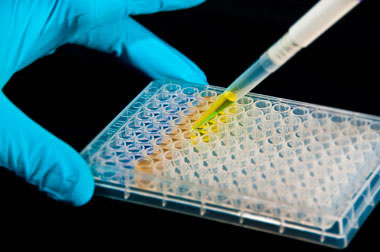
An innovative new online “drug discovery on demand” platform has been launched by Molplex, a company specializing in products and services for the life sciences. Designed to help drug discovery groups working anywhere in the world, it aims to eliminate the high start-up costs and minimize the financial risks traditionally associated with inventing new medicines.

Molplex CEO David Leahy said: “As the pharmaceutical industry changes, a new ecosystem of small, flexible teams operating as “Micro Pharmas” is emerging. Molplex will provide the services they need to succeed at inventing better medicines at lower cost”.

The first version of the new Molplex system launched today offers free access to sophisticated drug design systems, high quality assay-ready stock chemicals and high content biological screening at www.molplex.com.

Via EPR Network
More Healthcare press releases
Global Health Progress Amplifies New Report that Outlines Barriers in Securing Access to Medicines in Least Developed Countries

“There is a public health crisis in the least developed countries. It is a crisis made by humans and solvable only by humans. There is urgency for governments, businesses, NGOs and academia to collaborate in dealing with this most urgent of problems,” declares Cameron Institute’s new 200-page report, Pharmaceutical Access in Least Developed Countries: on-the-ground barriers and industry successes.

Executive Director D. Wayne Taylor, Ph.D., F.CIM., who prepared the report, cites the recent World Health Organization’s (WHO) Draft Global Plan and Strategy for Action in stressing the importance of pharmaceutical industry partnerships. The report states that the industry must focus its energies on “the growing burden of diseases and conditions that disproportionately affect developing countries, and particularly women and children.”

Global Health Progress actively supports the report’s outlined actions needed to solve this issue, including endorsement of public-private partnerships (PPPs), protecting intellectual property and drug patents as the cornerstones of affordable innovation, improving access to medicines and developing new drugs.

Public-private partnerships are one key way to improve access to medicines in the least developed countries. As the report notes, the research-based pharmaceutical industry, in various public-private partnerships, has been improving access to medicines in the least developed countries of the world since the 1950’s. To date, there have been 150 public-private partnerships whose aim it is to improve access to medicines and currently 90% of PPPs are industry-led.

Additionally, innovation is cited by the report as “the hallmark of the pharmaceutical industry. Without innovation there would be no immunizations,
medicines or biologics to save lives, improve quality of lives, and to save much needed healthcare dollars. A basic right in law is to retain possession of one’s own ideas and discoveries.” The report also notes the importance of protecting this innovation through intellectual property and drug patents, as well as through the infrastructure and legal structures needed for healthy growth.

The report adds that every dollar invested in new medicines relieves the healthcare system of seven dollars of expenditure elsewhere, and that new drugs increase life expectancy and life-time income by about 1.0% per year while also decreasing years of life lost. It also provides a summary of 2010 data regarding contributions provided by research-based pharmaceutical industry to least developed countries:

• USD 8,450,000,000 of product and investment
• 950,000,000 patients treated
• 9,500,000,000 doses/treatments administered
• 350,000 doctors, nurses and other health personnel trained

Despite this progress, actions are still needed to solve the problem without creating additional difficulties. For example, even though existing medicines for HIV/AIDS has reduced mortality rates in developed countries by 70%, adherence and compliance are two major obstacles, amongst many, to the successful deployment of these drugs in developing countries. Additional barriers to access and improved health in least-developed countries include “on the ground” barriers, such as market failure, corruption, non-existent health human resources and infrastructure, and the lack of both local and international political will.

Via EPR Network
More Healthcare press releases

Fact Sheet Reveals Mexico’s Increasing Investment in Biopharmaceutical Sector

A recent Global Health Progress fact sheet highlights how Mexico’s investment in its biopharmaceutical sector has spurred economic growth, fostered global competitiveness, reduced the health and economic burden of disease on local citizens, and improved access to medicines. With the tenth largest economy in the world, Mexico is currently investing more than 1% of its gross domestic product into its biopharmaceutical sector and this percentage is anticipated to increase as the country works to develop tomorrow’s medicines.

Like the U.S. and other big emerging markets, Mexico has recognized the potential of the biopharmaceutical sector to be an important source of economic growth through the creation of high-quality, high-skilled jobs. Currently, Mexico’s biopharmaceutical sector employs nearly 25,000 Mexican nationals at more than 32 biotechnology companies. The number of skilled workers entering the workforce is predicted to increase as more than 750,000 engineering and technology students in Mexico are currently enrolled in local universities. Additionally, collaboration between the public and private sector has resulted in the creation of more than 100 research centers.

Mexico’s emphasis on job creation stimulates the developments of new drugs, which improves access to medicines for its entire citizenry. For example, there are approximately 254 medicines in development or awaiting regulatory review for Mexican patients and Mexico currently ranks 19 out of 25 in terms of active clinical trial sites. The growth in share of global clinical trial sites can bring health benefits to Mexican patients, such as diffusion of medical knowledge, greater patience access to medicines and high quality care and effective medical practice.

Recognizing the potential for economic growth, improving access to medicines and inspiring drug innovation, the Mexican government has sought to implement policies to foster the growth of the sector. The National Council for Science and Technology, the principal government funding agency for scientific research in Mexico, provided approximately US $16 million to fund basic science projects between 2001 and 2004. Mexico also has several bioclusters, made up of biotechnology, biopharmaceutical and related companies, focused on pharmaceutical R&D. In addition, public-private partnerships between the Mexican government, academia and industry are increasing due in part to the government’s continued commitment to science and technology research and education.

Please view full PDF for additional information and list of sources.

Via EPR Network
More Healthcare press releases

Global Health Progress Fact Sheet Projects China Will Become One of World’s Major Biopharmaceutical Players

Data revealed in Global Health Progress’ (GHP) new fact sheet shows that China is projected to become one of the world’s major biopharmaceutical players, along with the U.S., Europe, and Japan, in the next fifteen years. This projection is based on China’s commitment to improving access to healthcare by expanding its biotechnology sector, increasing its exportation of biopharmaceuticals and investing in pharmaceutical research and development (R&D).

China has one of the fastest growing economies in the world with a gross domestic product of more than $8 trillion. Its biotechnology sector has become a bright spot in the Asia Pacific region and the world markets, with an impressive average annual growth rate of 19.4% between 2000 and 2005, and is anticipated to become the world’s third-largest pharmaceutical market in 2011, a major increase over its #8 rank in 2000

Part of China’s successful growth is due to its decision to improve access to healthcare by increasing exports of biopharmaceuticals. For example, in 2006 China exported a total of US $890 million in biopharmaceuticals – a 30.61% increase compared with the previous year. China has also become the largest vaccine manufacturing country in the world, capable of producing 41 vaccines to prevent 26 viral diseases, and has become the third country to succeed in large-scale production of genetically engineered insulin.

Additionally, China’s pharmaceutical R&D expenditures are expected to reach US $10 billion or 2% of global spending by the end of 2010. The country is expected to contribute an additional $40+ billion in annual sales by 2013, comparable to the level of increased sales forecast for the US market in the same period.

China’s investment in the biotechnology sector has translated into improvements regarding access to healthcare and the country’s economic growth through creating high-quality, highly skilled jobs. Currently, there are more than 500 biotechnology companies in China with the biopharmaceutical sector employing approximately 50,000 people. Additionally, pharmaceutical R&D is taking the form of multinational biopharmaceutical companies setting up research facilities in biotechnology parks in China, which can drive highly-skilled, high wage job growth and encourage better access to healthcare.

Please view full PDF for additional information and list of sources.

Via EPR Network
More Healthcare press releases

Russia Reveals Renewed Commitment to Expand, Promote Biotechnology Sector

Global Health Progress (GHP) released a new fact sheet highlighting Russia’s commitment to expanding and promoting its biotechnology sector. Although the biopharmaceutical sector in Russia is less developed than other markets, the sector is making progress by implementing public policies that support pharmaceutical research and development (R&D) for life-changing treatments, contribute high-quality, high wage jobs to the region and increase the number of clinical trials offered to the population to improve access to drugs and help reduce the overall burden of disease.

Currently, Russia accounts for approximately 0.5% of the world biotechnology market, two-thirds of which are biopharmaceuticals. In 2010, the value of the biopharmaceutical market in Russia was estimated to be approximately US $17.2 billion, compared with US $10.4 billion in 2006. According to analysts, the Russian market is predicted to expand at a compound annual growth rate of 8.3% over the next few years and approximately 53% of the biopharmaceuticals market in Russia is comprised of innovative medicines.

As part of a national 10-year plan to promote biotechnology, the government is enacting policies to strengthen Russia’s pharmaceutical research and development (R&D) areas that have been historically strong. For example, special economic zones will focus on attracting investors to commercialize biotechnology and related innovations. Additionally, the Russian government is investing in “bioparks,” R&D clusters of biotechnology and related sectors.

Russia is well-known for its highly skilled scientific workforce and the biopharmaceutical sector has emerged as an important source of high-quality, highly skilled jobs. As the presence of biopharmaceutical companies increases, so does the pool of highly skilled doctors, scientists and researchers. According to Burrill & Company, the biopharmaceutical sector currently employs approximately 12,000 people with the average salary for a PhD scientist in Russia approximately US $1,800.

Currently, Russia ranks 12 out of 25 in terms of active clinical trials with 1,084 sites with an average relative annual growth rate of 33%. However, as of February 2010, there were 304 medicines in development in Russia, making the country one of the fastest annual growth rates. The growth in share of global clinical trials can bring health benefits, including the diffusion of medical knowledge and effective medical practice, greater patient access to high quality care and improve access to drugs. Clinical trials can also help reduce the overall burden of disease on the Russian population.

Via EPR Network
More Healthcare press releases

Brazil’s Biopharmaceutical Sector Contributes to Economic Growth, Expands Access to Healthcare

Global Health Progress (GHP) released a new report that reveals how the biopharmaceutical sector in Brazil, the tenth largest biopharmaceutical market in the world and the largest in Latin America, is an important driver for its economy. For instance, Brazil’s biopharmaceutical sector develops high-quality, highly skilled jobs, which is a key factor in creating a stable economy. Currently, approximately 821 biotechnology companies in Brazil employ almost 100,000 people with an average annual salary of approximately US $4,457. Among those companies, six biopharmaceutical companies were featured in a 2003 list of the top 100 companies to work for in Brazil.

Not only does the biopharmaceutical sector produce valuable job opportunities for highly skilled workers, this emerging market plays a critical role in fostering public-private partnerships, which leads to more economic growth and greater access to healthcare for its citizens.

Investment in research and development (R&D) and promoting innovation are key ways the Brazilian government is helping drive future growth of the country’s biopharmaceutical sector. For instance, R&D investments in Brazil have increased to 1.5% of GDP in 2010 and there are more than 205 highly trained physicians per 100,000 of the population serving as investigators for clinical studies.

“In Brazil, promoting innovation is a public policy priority,” stated Rafael Oliva, Advisor to the Presidency at the Brazilian Development Bank. “The participation of the Brazilian government in research and development (R&D) is considerable, and the goal is to both increase innovative activities in Brazil on a systematic basis, and to consolidate the country’s culture of innovation.” GHP fact sheet shows how Brazil’s investment in research and development (R&D) will create positive effects throughout the economy, including improving access to healthcare for its citizens through the production of new medicines. The growing field of clinical trials is also a significant factor in improving access to healthcare. Brazil’s large population of 190 million people, with 8 out of every 10 residents living in or near a city, means clinical trial recruitment and participation is fairly robust.

Via EPR Network
More Healthcare press releases

Non-corneal Tonometry Glaucoma Eye Test Independent of Central Corneal Thickness (CCT) and Biometric Properties Featured at ESCRS, Paris France

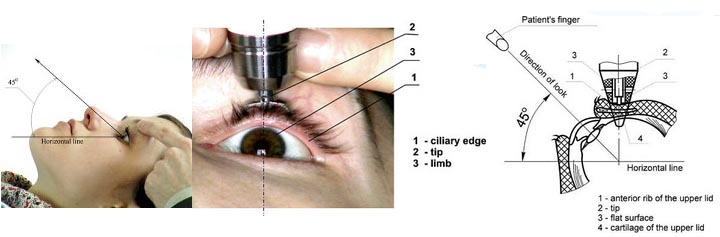
Unique non-corneal Tonometer Diaton, which allows to measure intraocular pressure (IOP) through the eyelid and sclera, unlike others that obtain IOP through cornea was featured at The European Society of Cataract and Refractive Surgeons ESCRS meeting in Paris, France.

Unique non-corneal Tonometer Diaton, which allows to measure intraocular pressure (IOP) through the eyelid and sclera, unlike others that obtain IOP through cornea was featured at The European Society of Cataract and Refractive Surgeons ESCRS.

Diaton tonometry is a unique approach of measuring intraocular pressure without touching the surface of the eye, takes tonometry reading over the upper eyelid and over the sclera. This revolutionary tonometry method allows physicians to obtain intraocular pressure without influence of central corneal thickness (CCT) and other known and unknown biometric properties and parameters of the cornea.

Unlike Goldmann tonometry which is based on the Imbert–Fick law and is effected by CCT and other corneal parameters and corneal diseases, where small area of the membrane is flattened to measure pressure of the internal fluid. Evidence shows that variations in CCT may greatly influence Goldmann tonometry reading. Parameters such as membrane elasticity, rigidity and other biomechanical properties can influence the accuracy of the intraocular pressure readings.

Diaton tonometry solves most of the corneal issues by implementing Newton ‘s Second Law and a Ballistic principle to obtain IOP. Readings with Diaton Tonometer are taken over the upper eyelid, at the tarsus and over the sclera, not the cornea.

Recent clinical study “Comparison of Accuracy of Diaton Transpalpebral Tonometer Versus Goldmann Applanation Tonometer, Dynamic Contour Tonometer and Ocular Response Analyzer “ concluded: “Transpalpebral Tonometry is an accurate method of IOP measurement that is also independent from the biomechanical characteristics of cornea. It can be recommended for IOP measurements of patients diagnosed with glaucoma including those cases where cornea pathology or cornea characteristics have been altered”.

BiCOM Inc. ( New York , USA ) covers the full scope of customer service, which involves client training, follow ups, hotline support, sales support, etc. To get more information on the device or to make a purchase, visit the official website –http://www.TonometerDiaton.com, or call BiCOM at the toll free number 1-877-diatons (877-342-8667).

Via EPR Network
More Healthcare press releases

Removing Intellectual Property Rights Will Only Worsen Africa’s Healthcare Crisis

In recent commentary in the Wall Street Journal, Alec van Gelder, Project Director at the International Policy Network wrote that strong intellectual property rights are critical to strengthening Africa’s health care system. He criticized statements by the Head of the World Health Organization Essential Medicines Program, Hans Hogerzeil. Hoberzeil wrote that “Big Pharma” and intellectual property rights are preventing the world’s poorest countries from receiving access to healthcare. Contradicting these assertions, van Gelder pointed out that the region’s lack of health infrastructure and the diversion of aid money are the real culprits behind the crisis.

“Drug companies do make easy targets but that doesn’t make them villains,” said van Gelder, “The life-saving treatments they create remain Africa’s best hope. The misguided battle against pharmaceutical companies’ patent rights will only make Africa’s health crisis worse.”

van Gelder notes that the growing field of public-private partnerships have resulted in a twelve-fold increase in patients receiving treatment over the last decade and have created a program of voluntary patent licenses for lower-cost “generics” manufacturers. Furthermore, fewer than 5% of WHO’s 423 Essential Medicines are currently protected by patents and these are mostly advanced “second-line” anti-AIDS medicines.

Global Health Progress (GHP) is actively supporting public-private partnerships to help address the need for access to medicines. Strong patent protection and intellectual property rights are critical components of these efforts to treat the public health challenges that the world’s poorest countries face. As van Gelder aptly points out, “Trampling over intellectual property rights removes drug companies’ incentives to invest billions of dollars in the development of the next generation” of much-needed and sought after drugs.

Rather, GHP supports the continued development of public-private partnerships, research and development and protection for intellectual property rights. These policies ensure that developing countries continue to have drugs available at reasonable costs, that pharmaceutical companies continue to embrace innovations and that all organizations can work together to improve healthcare infrastructure worldwide.

Via EPR Network
More Healthcare press releases

‘Drugging the Undruggable’ Symposium Highlights Advances in Treating Cancer, Diabetes and Other Major Diseases

Scientists from government, industry, and academia presenting at the 240th National Meeting of the American Chemical Society released a new report highlighting advances in creating the next generation of medicines for treating cancer, diabetes, and other major diseases. The report, which was featured during the special symposium, “Drugging the Undruggable,” summarized progress in drug development for diseases that were once considered “untouchable.” These treatments specifically targeted conditions where previous efforts to develop a drug therapyhad failed.

However, after decades of a seemingly impossible search, scientists appear to be making a breakthrough in the area of drug development to treat cancers and other diseases. As Science Daily noted in their coverage of the report and symposium, scientists have identified “stapled peptides,” a new family of potential drugs capable of blocking a key protein that’s involved in the development of cancer.

Global Health Progress (GHP) supports symposium presenters’ statements regarding the importance of these type of drug developments. For instance, Gregory Verdine, a chemical biologist at Harvard University, explained:

“The entire pharmaceutical industry has been working on drug-design platforms that focus on this little sliver of human drug targets and this limits the drug arsenal available to doctors. What’s required is an entirely new class of drugs that overcome the shortcomings of drugs of the past.” Innovative research and development (R&D) of new drugs is critical in improving overall healthcare, combating epidemics and fighting diseases. Drug development is just one way research-based biopharmaceutical companies serve as active partners in some of the largest and boldest health initiatives that explore new and effective ways to provide treatment, care and education to millions of people both domestically and internationally.

Via EPR Network
More Healthcare press releases

Medicines for Malaria Venture (MMV) Joins The Pool for Open Innovation Against Neglected Tropical Diseases

Global Health Progress (GHP) is pleased to highlight the announcement that the not-for-profit public-private partnership Medicines for Malaria Venture (MMV) will became the first product development partnership (PDP) to contribute intellectual property to The Pool for Open Innovation against Neglected Tropical Diseases (The Pool).

MMV joined GlaxoSmithKline (GSK), Alnylam Pharmaceuticals, and the Massachusetts Institute of Technology (MIT) in providing intellectual property to The Pool. Discussing the decision, Professor Patrick Nef, Executive Vice President of Business Development at MMV, states, “In this way we hope to make fully available the know-how and technologies, assembled by MMV against malaria, for the research and development of innovative and efficacious treatments for other neglected diseases.”

By emphasizing a more accessible approach to intellectual property and know-how, The Pool facilitates access to patents and/or technologies for organizations that want to conduct research on treatments and motivates innovative and efficient drug discoveries and developments for neglected diseases.

The Pool is administered by BIO Ventures for Global Health (BVGH). It’s accessible to industry, non-profit institutions, and academic researchers who conduct research and drug development activities that deliver real benefits for patients in the least developed countries of the world.

Global Health Progress echoes the sentiment that MMV’s contribution of patents to The Pool, resulting from its research for new antimalarials, is an important milestone from an organization that plays a major role in leading the development of new therapeutics for malaria.

Global Health Progress supports the continuing partnership between not-for-profit public-private partnerships and research-based biopharmaceutical companies as a way to fight neglected tropical disease through targeted research and development (R&D), improving access to critical medicines and providing key intellectual property.

Via EPR Network
More Healthcare press releases

Global Health Progress Stresses Importance of Product Development Partnerships

Helen Coster’s recent commentary in her new Forbes blog Good Work addresses the issue of how product development partnerships (PDPs) can develop and improve treatments for neglected diseases like malaria, leishmaniasis, and Chagas disease.

Coster notes, “These diseases affect the world’s poorest people, and they often get ignored by pharmaceutical companies for a simple economic reason: there is no way that considerable investment in research will be recouped in drug sales.”

Coster’s entry highlights the work of some of the best-known PDPs, such as the Drugs for Neglected Disease Initiative, Global Alliance for Vaccines and Immunization, the International AIDS Vaccine Initiative and the Global Fund to Fight AIDS, Tuberculosis & Malaria. Coster also highlighted the significant funding of PDPs by The Bill and Melinda Gates Foundation.

In closing, Coster invites her readers to discuss the PDP approach to eradicating neglected diseases and what role, if any, the pharmaceutical industry, philanthropists and other global organizations should play in the fight.

Global Health Progress also believes that public-private product development partnerships are invaluable in expanding the capacity of research and development (R&D) on innovative drugs and vaccines for neglected diseases. These partnerships help by harnessing the technical expertise and resources of the private sector with the approach of universities, research institutes and other public organizations.

Via EPR Network
More Healthcare press releases

Top Government Hospital for Stem Cell Treatments and Research Located in Beijing Launches English Website

The Stem Cell Transplantation Department at the General Hospital of Chinese People’s Armed Police Forces has launched an English version of its website www.sinostemcells.com for its ever-growing international patients seeking Stem cell treatments. The new user-friendly site reflects the department’s vision of readily available, authentic, and relevant information and aims to supply its online visitors with up-to-date information on the department’s current stem cell therapies and research programs.

The Stem Cell Transplantation Department Director Dr. Yihua An, PhD, says “Access to relevant, quality information is becoming more important for international patients, their physicians, and families. We have met the ever-increasing need for English language updates on our current research direction and practices and have developed a modern English website especially designed for a Western audience.”

The department is located at the General Hospital of Chinese People’s Armed Police Forces in Beijing – a top Level 3A military institution that integrates healthcare services, scientific research, and medical education.

The Stem cell department is active in the field of stem cell treatments and research. The department primary focus is on Stem cell treatment for Spinal Cord Injury and Brain Injury apart from central nervous system -related diseases like Cerebral palsy and Stroke.

Via EPR Network
More Healthcare press releases

Recent African Leaders Malaria Alliance Meeting Highlights Importance of Partnerships to Ensure Continued Progress on Malaria Vaccine

During the recent African Union summit, the African Leaders Malaria Alliance (ALMA) gathered to discuss how to combat the threat of malaria in the continent. Inspired by this meeting, Madiké Seye, Vice-President for Africa – GlaxoSmithKline wrote a guest article on the Independent’s website calling for “new tools, such as a malaria vaccine, which could complement existing interventions.”

Seye wrote, “Vaccines and immunization services have been critical to improving Africa’s health over the last several decades. Anyone whose child has suffered f r o m malaria – and there are only few of us who have not directly been affected by the disease – can imagine what a malaria vaccine would mean.”

F r o m there, Seye highlighted the importance of partnerships between African leaders, policymakers, international groups and the pharmaceutical industry. These collaborations are required in order to move forward with making the dream of a malaria vaccine a reality, whether that’s through improving drug prices or investing in technology to fully develop the vaccine. Seye noted that the vaccine is already in the final phases of development and trial results have consistently shown an “acceptable safety profile.”

Global Health Progress supports the role of these public and private partnerships and the participation of the pharmaceutical industry, particularly when it comes to addressing issues involving drug prices, access to medicines, and the continued efforts to create innovative new drugs and vaccines. GHP believes research and development are especially critical components of improving health care and combating epidemics of neglected tropical diseases, such as malaria, in developing countries.

GHP echoes Seye’s call for countries, multilaterals, NGOs, the pharmaceutical industry and scientists to continue to work together to, “make sure Africa is ready for a vaccine. One day there may be the means to save many more lives and change the equation in the fight against malaria for good.”

Via EPR Network
More Healthcare press releases

Global Health Progress Epitomizes Clinton, Gates’ Call for ‘Efficiency Savings’ In Regards to HIV/AIDS Prevention Treatments, Services

During a recent international conference in Vienna for 20,000 AIDS scientists, health workers and activists, former U.S. President Bill Clinton and Microsoft founder Bill Gates urged AIDS activists to try to generate the most value possible out of funds set aside for HIV/AIDS prevention services and treatments, including securing access to drugs. Reuters Health and Science Correspondent Kate Kelland highlighted the leaders’ remarks in a recent article:

“The world is awash in troubles. It is easy to rail at a government and say … give us more money. But we also have to change the way we do what we do,” Clinton told the conference. “If we’re going to make this case, they (donor governments) have to believe that we are doing our job faster, better and cheaper. Then we have the moral standing to go ask people to give us more money.” Gates, a philanthropist whose Gates Foundation spends a large portion of its $34 billion fund on fighting AIDS, said efficiency was vital to be able to scale up access to AIDS drugs for the 15 million people who need them, “We can’t keep spending AIDS resources in exactly the same way we do today,” he said. “As we … advocate for more funding, we also need to make sure we’re getting the most benefit from each dollar of AIDS funding and every ounce of effort.”

In keeping with this message, Global Health Progress’ recent 3rd Annual African Health Delegation let African officials share experiences, expertise and insights about how they efficiently employ available resources when battling diseases in Africa. These conferences are just one way GHP helps advocacy groups meet Clinton and Gates’ plea for activists to employ “efficiency saving” tactics when delivering treatments and securing access to drugs for countries “hardest hit and at highest risk” by HIV/AIDs and other diseases.

Via EPR Network
More Healthcare press releases

Global Health Progress Highlights ViiV Healthcare’s Announcement of New Initiatives

Global Health Progress highlights ViiV Healthcare’s announcement of a new series of initiatives, including improving access to medicines, to support people living with HIV/AIDS in the poorest and most vulnerable countries.

To address the evolving treatment needs in these countries, ViiV Healthcare will now allow people living with HIV/AIDS to access the whole portfolio of ViiV Healthcare antiretroviral medicines, produced by generic companies. Additionally, ViiV Healthcare is implementing the groundbreaking step of making all patents available to generic manufacturers in these countries for all future pipeline developments, such as the novel integrase inhibitor jointly under development Shionogi – ViiVHealthcare, LLC.

ViiV Healthcare is also expanding the number of countries eligible for this expanded access to medicines to include all least developed countries, all low income countries and all of sub-Saharan Africa – that is 80% of all people currently living with HIV. “At ViiV Healthcare we wanted to go one step further in addressing the HIV/AIDS crisis and supporting access for people living with HIV in the worst affected countries. As a company totally focused and dedicated to tackling this epidemic we are passionately committed to thinking and acting differently and taking new steps to expand access,” said Dr Dominique Limet, CEO of ViiV Healthcare, “At present the numbers of people in the least developed countries moving onto second line therapy is very low compared to the developed world. However as more people have access to treatment, there is an increased need for second and third line treatment options once initial treatment failure occurs.”

Via EPR Network
More Healthcare press releases

Global Health Progress Releases New Report that Features Innovative Solutions to Improve Access to Healthcare in India

Global Health Progress’ recently released report, Innovative Solutions to Improving Health in India, summarizes how the organization is committed to building sustainable, innovative solutions to secure access to healthcare for all Indian communities.

The report notes that access to healthcare remains problematic in parts of India, especially in rural areas. For instance, forty percent of the country’s primary healthcare centers are understaffed and fewer than one in five have a telephone connection. Nearly one million Indians die every year due to inadequate healthcare facilities and lack of access to healthcare. Without qualified health care professionals and fully equipped health facilities, programs to assist patients with medicines (both patented and unpatented) are of little use.

Additionally, chronic diseases are on the rise in India and infectious diseases continue to afflict Indian patients. India has the highest prevalence of tuberculosis (TB) in the world, 60 percent of the world’s heart disease, and malaria has staged a comeback after its near eradication in the 1960s. An estimated 40.9 million Indian patients suffer from diabetes, the highest number in the world, and 30 million people are infected with Hepatitis B Virus (HBV).

Global Health Progress recognizes this serious situation and calls on joint action among local leaders and diverse global stakeholders to implement sustainable, innovative solutions. Fortunately, Indian communities have successful and long-standing collaborations with biopharmaceutical companies and other international partners.

The full report, which features examples of India’s successful and long-standing collaborations with international partners, is available here:
http://globalhealthprogress.org/mediacenter/index.php/global-health-progress-report…

Via EPR Network
More Healthcare press releases