Category Archives: Biotech

Kenneth Research: Increasing Concern for Mental Health Disorders to Drive Market Growth for Mental Health Software and Devices

NEW YORK, 21-Mar-2022 — /EPR HEALTHCARE NEWS/ — Every year, over 7 Million people are known to die by suicide, one of the major concerns of mental health, according to the statistics by the World Health Organization (WHO). Calculatedly, this comes to one person every 40 seconds. Moreover, in the year 2019, suicide accounted for 1.3% of the total number of deaths around the globe. On the other hand, mental health disorders, such as depression, affected 3.8% of the global population, or around 280 Million people. This included 5.0% adults and 5.7% aged adults above 60 years of age.

Kenneth Research recently released a report titled “Global Mental Health Software and Devices Market” which includes a detailed analysis of the market dynamics along with the impact of COVID-19 on the market growth during the forecast period, i.e., 2021-2030. The report also includes the regulatory and standard landscape, and in-depth research about the market growth across the five major regions, i.e., North America, Europe, Asia Pacific, Latin America, and the Middle East & Africa.

In Europe, Austria (24 males, 5.6 females), Belgium (23 males, 8.6 females), France (22 males, 5.9 females), Finland (22.9 males, 7.6 females), Germany (17.3 males, 4.8 females), Sweden (17.7 males, 7.0 females), Netherlands (15.7 males, 7.0 females), has shown the highest number of death rates and self-harms per 100,000 inhabitants.

As COVID19 sweeps the global economies, Europe is one of the worst hit since 2020. As new COVID guidelines, lockdown and restriction comes into force, economies have reported elevated cases of anxiety and stress. Especially quarantine and its ill impacts have pushed levels of loneliness, depression, drug use, alcohol consumption, suicidal behavior and self-harm are pushed to another level.

Request for Research Report Sample- https://www.kennethresearch.com/report-details/mental-health-software-and-devices-market/10352350

Mental health is a major concern globally and with the rising prevalence of different types of such disorders in recent years, as well as with the growing awareness for these diseases by governmental bodies, the disease has been included in the list of 17 Sustainable Development Goals (SDGs) of the United Nations. Moreover, the situation for the disease has also gained massive focus, especially to treat the elderly population. This can be attributed primarily to the increasing elderly population count over the past few years, and the growing awareness for mental health and well-being amongst these age groups. In the other statistics by the WHO, the proportion of the population of age 60 years and over around the world is expected to double from 12% to 22% between 2015 and 2050. The statistics further stated that over 20% of these adults suffered from a mental or neurological disorder, and 6.6% of all disabilities amongst these population groups accounted for such disorders. Additionally, around 5% and 7% of these populations had been affected with dementia and depression respectively, which are the two most common mental and neurological disorders.

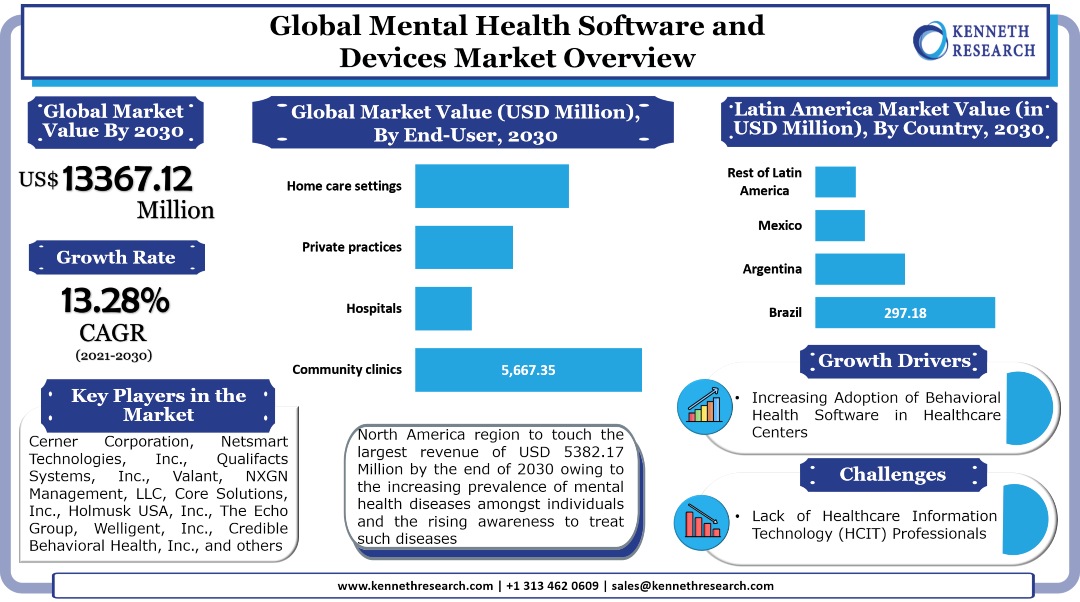
The global mental health software and devices market generated a revenue of USD 3883.94 Million in the year 2020 and is further expected to grow with a CAGR of 13.28% during the forecast period and touch a value of USD 13367.12 Million by the end of 2030. The growth of the market can primarily be attributed to the growing need for advanced patient monitoring and patient management applications amongst healthcare service providers for those treating mental disorders, backed by the surge in the number of mental health patients worldwide. Besides this, the increasing number of these patients is expected to drive the need for advanced devices which can help for early diagnosis and treatment, therefore contributing to the market growth in the coming years. For instance, the prevalence of dementia, which is known for deteriorating the memory, thinking, behavior, and the ability of the patients to perform everyday activities, is expected to increase to 82 Million by 2030, and further touch 152 Million by 2050, according to the statistics by the WHO. On the other hand, according to the statistics by United Nations Children’s Fund (UNICEF), in the year 2019, between the ages 10 and 14, 34,840,000 female adolescents and 44,647,000 male adolescents suffered from mental disorders. Moreover, between the ages 15 and 19, 41,712,000 female adolescents and 44,563,000 male adolescents had suffered from the same disorder. The surge in these cases is expected to boost the demand for diagnostic devices for the treatment of the disorder, and in turn, drive the market growth.

Request for Research Report Sample- https://www.kennethresearch.com/report-details/mental-health-software-and-devices-market/10352350

The growth of the global mental health software and devices market can also be attributed to the increasing number of government initiatives that focus on maintaining good mental health and well-being of the individuals of nations worldwide. For instance, in May 2013, during the 66th World Health Assembly, the Comprehensive Mental Health Action Plan 2013-2020 developed by the WHO was adopted by the Ministers of Health of the 194 Member States. This action plan was further extended until 2030 in the year 2019, during the 72nd World Health Assembly. On the other hand, according to the statistical report titled “Mental Health Atlas 2020”, published by the WHO, 75% of the Member States had a stand-alone policy or plan for mental health. This was an increase from 68% in the year 2014.

Additionally, the statistics also stated that 57% of the Member States had a stand-alone mental health law. This was an increase from 51% in the year 2014. Besides this, since 2017, 46% of the WHO Member States had updated their health policy or plan, while 27% of them had updated their law regarding mental health.

The global mental health software and devices market is segmented on the basis of region into North America, Europe, Asia Pacific, Latin America, and the Middle East & Africa. Out of the market in these regions, the market in North America generated the largest revenue of USD 1557.47 Million in the year 2020 and is further expected to touch USD 5382.17 Million by the end of 2030. One of the major factors anticipated to drive the growth of the market in the region is the increasing awareness for mental health and the rising need amongst healthcare service providers to improve their services to patients who are suffering from the disease. For instance, according to the statistics by the National Alliance on Mental Illness (NAMI), in the United States, in the year 2020, 1 in 5 U.S. adults experiences a mental illness, while 1 in 20 experienced a serious one, and 1 in 15 experienced both a substance use disorder and mental illness. In addition to this, 26.3 Million adults in the nation received virtual mental health services during the COVID-19 pandemic. Amongst those who received these services, 17.7 Million people experienced delays or cancellations in appointments, while 7.3 Million experienced delays in getting prescriptions. Moreover, 4.9 Million people were unable to access needed care. The market in the region is segmented by country into the United States and Canada. Out of the market in these countries, the market in the United States is expected to hold the largest revenue by the end of 2030 and also grow with the highest CAGR of 13.36% during the forecast period.

Request for Research Report Sample- https://www.kennethresearch.com/sample-request-10352350

On the other hand, the mental health software and devices market in Europe generated a revenue of USD 1265.71 Million in the year 2020 and is further expected to touch USD 4360.54 Million by the end of 2030, by growing with a CAGR of 13.31% during the forecast period. One of the major factors anticipated to drive the growth of the market in the region is the growing reforms in the diagnosis of mental health. For instance, on the 13th of May, 2019, the Parliamentary Assembly of the Council of Europe (PACE) on Social Affairs, Health, and Sustainable Development, had urged the member States of the Council of Europe to end coercive practices in mental health settings and further adopt a human rights-based approach which is respectful of medical ethics. The market growth in the region can also be attributed to the increasing government initiatives to improve behavioral health services and the surge in the adoption of electronic health records (EHR). The market in the region is further segmented by country into Germany, France, United Kingdom, Italy, Spain, Russia, Netherlands, and the Rest of Europe. Amongst the market in these countries, the market in France is expected to generate the largest revenue of USD 988.54 Million by the end of 2030 and further grow with a CAGR of 13.75% during the forecast period. Additionally, the market in the nation generated a revenue of USD 275.93 Million in the year 2020. Furthermore, the market in Germany registered the second-largest revenue of USD 249.35 Million in the year 2020 and is further expected to touch USD 911.35 Million by the end of 2030.

The study further incorporates Y-O-Y Growth, demand & supply and forecast future opportunity in North America (U.S., Canada), Europe (U.K., Germany, France, Italy, Spain, Hungary, Belgium, Netherlands & Luxembourg, NORDIC [Finland, Sweden, Norway, Denmark], Poland, Turkey, Russia, Rest of Europe), Latin America (Brazil, Mexico, Argentina, Rest of Latin America), Asia-Pacific (China, India, Japan, South Korea, Indonesia, Singapore, Malaysia, Australia, New Zealand, Rest of Asia-Pacific), Middle East and Africa (Israel, GCC [Saudi Arabia, UAE, Bahrain, Kuwait, Qatar, Oman], North Africa, South Africa, Rest of Middle East and Africa).

The global mental health software and devices market is segmented by delivery model into subscription model and ownership model. Amongst these segments, the subscription model segment is projected to garner the largest revenue of USD 2442.34 Million by the end of 2022. Further, the segment is also expected to grow with the highest CAGR of 11.82% during the forecast period. In North America, the segment is expected to garner the highest market share by the end of 2030, while in Europe, the segment is projected to garner the largest revenue of USD 762.37 Million by the end of 2022.

The global mental health software and devices market is further segmented by end user into community clinics, hospitals, private practices, and home care settings. Among these segments, the community clinics segment registered the largest revenue of USD 1644.62 Million in the year 2020 and is further expected to touch a revenue of USD 5667.35 Million by the end of 2030. In North America, the segment generated the largest revenue of USD 660.52 Million in the year 2020 and is further projected to reach USD 2285.27 Million by the end of 2030, by growing with a CAGR of 13.35% during the forecast period. On the other hand, in the Asia Pacific, the segment is anticipated to garner the largest revenue of USD 1124.71 Million by the end of 2030, up from a revenue of USD 317.70 Million in the year 2020. Moreover, in Japan, the segment is expected to garner the largest revenue of USD 244.73 Million and further grow with a CAGR of 14.34% during the forecast period.

The global mental health software and devices market is also segmented on the basis of component, functionality, and mode of access.

Global Mental Health Software and Devices Market, Segmentation by Component

  • Software
    o Integrated Software
    o Standalone Software
  • Devices

Global Mental Health Software and Devices Market, Segmentation by Functionality

  • Clinical Functionality
    o Electronic Health Records (EHR)
    o Clinical Decision Support (CDS)
    o Care Plans/Health Management
    o E-Prescribing
    o Telehealth
  • Administrative Functionality
    o Patient/Client Scheduling
    o Document/Image Management
    o Case Management
    o Workforce Management
    o Business Intelligence
  • Financial Functionality
    o Revenue Cycle Management
    o Managed Care
    o Accounts Payable/General Ledger

Global Mental Health Software and Devices Market, Segmentation by Mode of Access

  • Desktops/Laptops
  • Tablets/Smartphone

Some of the prominent industry leaders in the global mental health software and devices market that are included in our report are Cerner Corporation, Netsmart Technologies, Inc., Qualifacts Systems, Inc., Valant, NXGN Management, LLC, Core Solutions, Inc., Holmusk USA, Inc., The Echo Group, Welligent, Inc., Credible Behavioral Health, Inc., IBM, and others.

Request for Research Report Sample- https://www.kennethresearch.com/sample-request-10352350


SOURCE: EuropaWire

8-year follow up results revealed for the ELIOS® Excimer Laser Trabeculostomy procedure combined with cataract surgery

LOS ANGELES, CA, United States, 17-Feb-2022 — /EPR HEALTHCARE NEWS/ — Elios Vision Inc. announced today 8-year follow up results of its novel ELIOS® Excimer Laser Trabeculostomy procedure combined with cataract surgery.

Key study findings:

  • 161 eyes of 128 patients with glaucoma or ocular hypertension and cataract received Phaco-ELIOS, and were followed over an 8-year period
  • Significant mean IOP reduction from 19.3 mmHg at baseline to 15.4 mmHg after 8 years of follow-up (p=0.0040)
  • Significant reduction in medication requirements
  • Only 3.7% of patients required secondary surgical glaucoma intervention during the 8-year follow-up period
  • No serious intra- or post-operative events were observed

“This large cohort study provides encouraging evidence that the ‘implant free’ Phaco-ELIOS procedure causes minimal trauma, appears to show lasting IOP control with no serious intra- or post-operative complications, and low rate of incisional secondary surgical intervention over a period of at least 8 years,” said Thomas W. Samuelson, MD, founding partner of Minnesota Eye Consultants and an Adjunct Professor of Ophthalmology at the University of Minnesota. Dr Samuelson added that, “it is encouraging for patients that the number of topical medications required to control IOP was reduced significantly up to 4 years and remained below baseline levels across the entire 8-year follow-up period.”

About the ELIOS procedure:

  • The ELIOS procedure creates ten ‘microchannels (210µm)’ in the trabecular meshwork using an excimer laser.
  • The microchannels facilitate aqueous outflow into Schlemm’s canal, the eyes natural outflow pathway, reducing IOP2 and preserving the integrity, structure, and function of the trabecular meshwork.
  • Combining ELIOS with phacoemulsification is an ‘implant free’ minimally invasive glaucoma procedure with a rapid learning curve for ophthalmic surgeons.
  • The ELIOS procedure is approved in Europe for use in adults with glaucoma, with or without cataract, and is undergoing clinical trials in the US under an investigational device exemption (IDE).
  • Data on the ELIOS procedure has been published in 12 clinical studies2 with over 850 eyes treated showing an IOP reduction of 20-40% from baseline, a significant reduction of medication for up to 4 years, and up to 81% of patients ‘medication free’ at 1 year,3 and a favorable safety profile.

Over the past decade minimally invasive glaucoma surgeries (MIGS) have transformed the treatment of mild to moderate glaucoma and are an attractive alternative to more invasive incisional procedures such as trabeculectomy and tube shunts. Despite the growing popularity of MIGS, combining cataract and glaucoma surgery is not yet the preferred choice by most surgeons.

This clinical study shows that the ELIOS procedure is attractive to all ophthalmic surgeons for patients with glaucoma that are not controlled by medications or SLT because it reduces IOP to mid-teens for at least 8 years, minimizes postop inflammation, avoids intraocular implants, has a favorable safety profile, with or without cataract surgery.

Why are these findings relevant?

  • In 2022 it is estimated that around 29 million people globally will undergo cataract removal and around 20% also have glaucoma or ocular hypertension4.
  • These findings demonstrate a sustained reduction of IOP that is longer than any other currently available MIGS procedure.
  • Routinely combining cataract and glaucoma treatment is appealing since it can reduce the undesirable burden and side effects of drops and it can avoid patients undergoing two separate surgical procedures which also is more efficient for healthcare systems.

SOURCE: EuropaWire

Exopharm: exosomes seen as an alternative to lipid nanoparticles (LNPs) and adeno-associated viral vectors (#AAVs) for targeted multi-dose delivery of modern medicines and vaccines

MELBOURNE, Australia, 3-Feb-2022 — /EPR HEALTHCARE NEWS/ — Australian technologist Dr Ian Dixon founded Exopharm in 2013 with the vision to harness the unique properties of exosomes as a new class of medicine. Dixon’s decisive early entry into exosome therapeutics is now bearing fruits.

Less than 10 years after its founding, Exopharm possesses a granted US patent for its key exosome manufacturing technology, LEAP™, and has run successful first-in-human clinical trials demonstrating the safety of its exosome products.

Exosomes have the potential to revolutionise medicine in many areas, including delivery of gene therapies into cell nucleus for rare and common genetic disorders, improving therapeutic window of small and large molecules by cell targeting, and by selective cellular delivery of next-generation DNA/RNA products.

In 2022, excitement around exosomes has converged on exosomes as an alternative to lipid nanoparticles (LNPs) and adeno-associated viral vectors (AAVs) for targeted multi-dose delivery of modern medicines and vaccines. Drug delivery accounts for a significant slice of the global pharmaceutical industry spend –around US$160b p.a. and growing strongly – and exosomes represent nature’s way to deliver a bioactive cargo into cells efficiently and safely.

Primed for growth

Dixon’s establishment of a specialist exosome medicines company has been followed by US based Codiak Biociences in 2015 (established by Arch Ventures) and Oxford based Evox Therapeutics in 2016. Today, only two dedicated exosome companies are listed on the public markets: Codiak (NASDAQ: CDAK) with a market cap of around US$200m; and Exopharm (ASX: EX1) with a market cap of around A$73m at the time of writing this article.

The field of exosome medicines is attracting the attention of financiers and pharmaceutical industry leaders. In late 2021, multinational pharmaceutical manufacturing services company Lonza jumped into exosome manufacture, a sign that they see big things over the horizon.

Over the past 9 years, Exopharm has grown and evolved but remains true to Dixon’s vision of exosome medicine development. The company now employs around 40 people most in its Melbourne, Australia, facility. Exopharm has built a toolbox of exosome technologies and knowhow which, in addition to the LEAP™ scalable exosome manufacturing platform, includes exosome analytical tools (Exoria) and technologies to load exosomes with a specific therapeutic cargo (LOAD) and target exosomes to select cells (EVPS).

Our business development team is attracting the attention of similar innovative biopharmaceutical and biomanufacturing companies, and validating the Exopharm technologies via collaboration research agreements.

Exopharm is not simply a technology company, however. Exopharm is pursuing a pipeline driven platform technology strategy, on the way to generating a revenue stream from technology out-licensing while developing its own exosome medicines for selected markets. More news on its pipeline products is expected to be ready for release later in CY ’22.

The Exopharm team has grown and changed to becoming more international in focus, improving on messaging and communications with the wider pharmaceutical industry. In 2021 Dr Jenn King joined the Board of Exopharm, bringing a wealth of big pharma and US biotech experience with her.

In 2022 we look to engage with more experts, as members of our advisory panels, as consultants, executives or Key Opinion Leaders. Please reach out to us if you want to be part of our vision.

At the company’s 10-year anniversary in late 2023, Exopharm will be a key part of the exosome medicines revolution.

SOURCE: EuropaWire

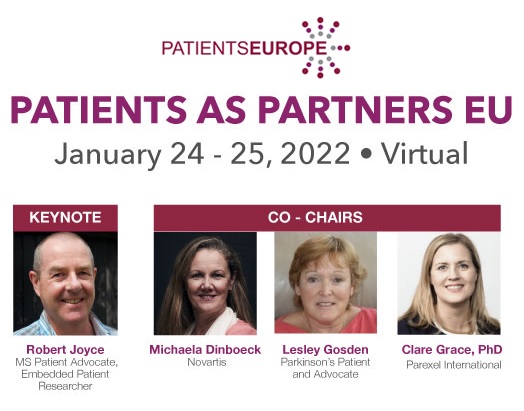
EU Patients as Partners in Medicines Development conference to be held virtually on Jan 24-25, 2022

(PRESS RELEASE) New York, NY, United States, 5-Jan-2021 — /EPR HEALTHCARE NEWS/ — The Conference Forum announced the launch of the 6th annual EU Patients as Partners in Medicines Development conference to take place virtually on January 24-25th, 2022 GMT time.

​​This annual event, the first of its kind in Europe, will feature successful collaborations between patients and pharma where patient input directly impacted aspects of how a pharmaceutical company either designed or conducted a clinical trial.

Of the 20 sessions, half include a patient or patient advocate. This two-day program will demonstrate how patient-led research can improve the way pharma conducts clinical trials.

Examples include UCB developing new assessment tools to measure the effectiveness of novel treatments for Parkinson’s disease, changes in the design and implementation of an MS trial for greater patient engagement, and the development of a new toolkit to change the way patients are compensated for their contributions in clinical research.

“Patients have become more empowered,” says co-chair Michaela Dinboeck, Head, Center of Excellence for Patient Engagement at Novartis. “So patient engagement must be integrated into the DNA of how medicines are developed, approved, and used. Patients as Partners Europe will provide Pharma with valuable insights on how to achieve this.”

Participating pharma companies include Novartis, Pfizer, Merck KGaA, EMD Serono, Janssen, Johnson & Johnson, GSK, Ipsen, UCB, Takeda, AbbVie, Noema Pharma, Gilead Sciences, Regeneron, and Pierre Fabre.

Other topics to be addressed include: Scaling patient engagement activities company-wide, engaging patients in early clinical development, leveraging social media to gain patient insights, diversity and inclusion in research and updates on patient engagement activities in Eastern Europe.

To learn more, please visit Patients as Partners Europe.

SOURCE: EuropaWire

Origami and citoQualis will work together to help Medical Device startups get products to global markets faster

KFAR SABA, Israel, 9-Nov-2021 — /EPR HEALTHCARE NEWS/ — Origami, a leading provider of no-code business process automation software for Medical Device and other industries, and citoQualis, a regulatory and business advisory leader for EU Medical Device companies, are announcing a partnership to help Medical Device startups get products to global markets faster.

Medical Device startups face unique pressures due to numerous country-specific regulations. This new partnership will help companies efficiently manage their regulatory approval processes, and enable rapid business growth.

Origami’s medical device customers operate around the world. With recent EU regulatory updates, companies are seeking strategic regulatory and business guidance to help them get and maintain product approval in that geography. The new partnership will provide Origami customers with access to citoQualis expertise in business and complex regulatory landscapes.

The citoQualis team points out that Medical Device startups have global workforces that “expect to access their systems from wherever they’re located, and to use those systems to collaborate internally and with citoQualis” says Mr. Wolfgang Werner, CEO of citoQualis.

According to Mr. Werner, “As advisors, it’s our job to identify opportunities and share our insights. For startups, the faster a product moves from idea to production, the better. With Origami’s flexibility, we are able to give our clients a software option that works for them now and as they scale.”

Germany and other EU countries have strong medical device startup ecosystems, which citoQualis is well connected to. Origami is excited to work with citoQualis and the startups they advise, noting how both companies focus their solutions and teams on helping customers succeed in complex environments.

Yaniv Shimony, CEO of Origami says “startup CEOs recognize Origami’s business value, in that they always have the solution their company needs. When you create a new and innovative medical device, using inflexible software point solutions slows your business down. With Origami, information is instantly available about any part of your business such as sales, quality, design, product approvals, manufacturing, equipment maintenance, purchasing, supplier compliance, invoicing, complaints and more.”

Existing customers will be able to maintain and expand EU market access by working with local regulatory experts, facilitating hundreds of millions of Euros of revenue.

SOURCE: EuropaWire

Pr. Pierre-Yves Benhamou: The outcomes observed in 1,000 patients using Diabeloop DBLG1 are, indeed, very good and encouraging

PARIS, 28-Sep-2021 — /EPR HEALTHCARE NEWS/ —

Real-life data confirm clinical and pre-launch data: TIR significantly improved

Today, Diabeloop presents data¹ from a 1,000 patients equipped with DBLG1 System with Accu-Chek Insight insulin pump in Germany. One of the main insights unveiled is an overall Time in optimal glucose Range (70-180 mg/dL) of 73.4% for the whole cohort of patients.

When looking specifically at data² from patients whose HbA1c was available at initiation, it can be observed that Time In Range improved 17.1 percentage points. This result is consistent with results which have been previously published pre-launch³ showing an increase in Time In Range of 16.7 percentage points.

Hypoglycemia reduction a huge factor for an improved quality of life

Data also showed a significant reduction of time spent in hypoglycemia with Time below 70 mg/dL at 1% while time below 54 mg/dL was 0.2%. This outcome surpasses the targets of the 2019 International Consensus.

Feedback of people with diabetes and their caregivers have shown that reducing hypoglycemia is very important. In addition to the life-threatening risks associated with hypoglycemia, discomfort and a decreased quality of life weighs heavily on people experiencing it regularly.

Pre-launch patients
“It (diabetes) had a big impact on my professional life (…) because of my hypoglycemia.”
“I have almost eliminated lows (…), especially at night, which is important!”

Pr. Pierre-Yves Benhamou commented: “The 2019 International Consensus on Time in Range aimed at achieving >70% in range 70-180 mg/dL, <4% below 70 mg/dL and <1% below 54 mg/dL in the majority of people with type 1 diabetes. This means over 16 hours in target range and less than 1 hour below range. The outcomes observed in 1,000 patients using DBLG1 are, indeed, very good and encouraging.”

Patient satisfaction is high

In the 5 countries where DBLG1 System is currently available, feedback from equipped patients has been very positive about its impact on TIR and hypoglycemia, in addition to the system’s ease of use and enhancement of quality of life.

Public social media posts:
“87% TIR, no hypos”
“The result (related to sport): quite conservative but great. No hypo.”
“Very intuitive, little information needed to provide at initiation.”
“I am absolutely delighted. Sometimes I even forget that I have diabetes.
I let it (DBLG1) do the math and success shows.”

Erik Huneker, founder and co-CEO of Diabeloop, who will be presenting the data at EASD4 declared: “Looking at the great results and listening to patient feedback on real-life experiences with our system has been a great reward for our work, and encourages us to make the system even better going forward. We will be able to bring DBGL1 quickly to many more patients in Europe while we keep working on bringing more choices, more interoperability, and more solutions to people with diabetes”.

About Diabeloop
Created in 2015, Diabeloop is a high-growth company that offers AI-based, personalized solutions to improve clinical outcomes for people with diabetes while relieving them of their constant mental burden. DBLG1 System, Diabeloop’s first medical device for automated insulin delivery (AID) and DBL-hu, its solution for highly unstable Type 1 diabetes management, are both CE-marked and being deployed in Europe.

A second round of financing of 31 million euros, concluded at the end of 2019, supported the international commercial rollout of the DBLG1 iController and Diabeloop’s ambitious R&D program. Today, Diabeloop gathers the personality, passion, and skills of more than 100 talented individuals who work hard to improve the quality of life for every person living with insulin-dependent diabetes.

About DBLG1
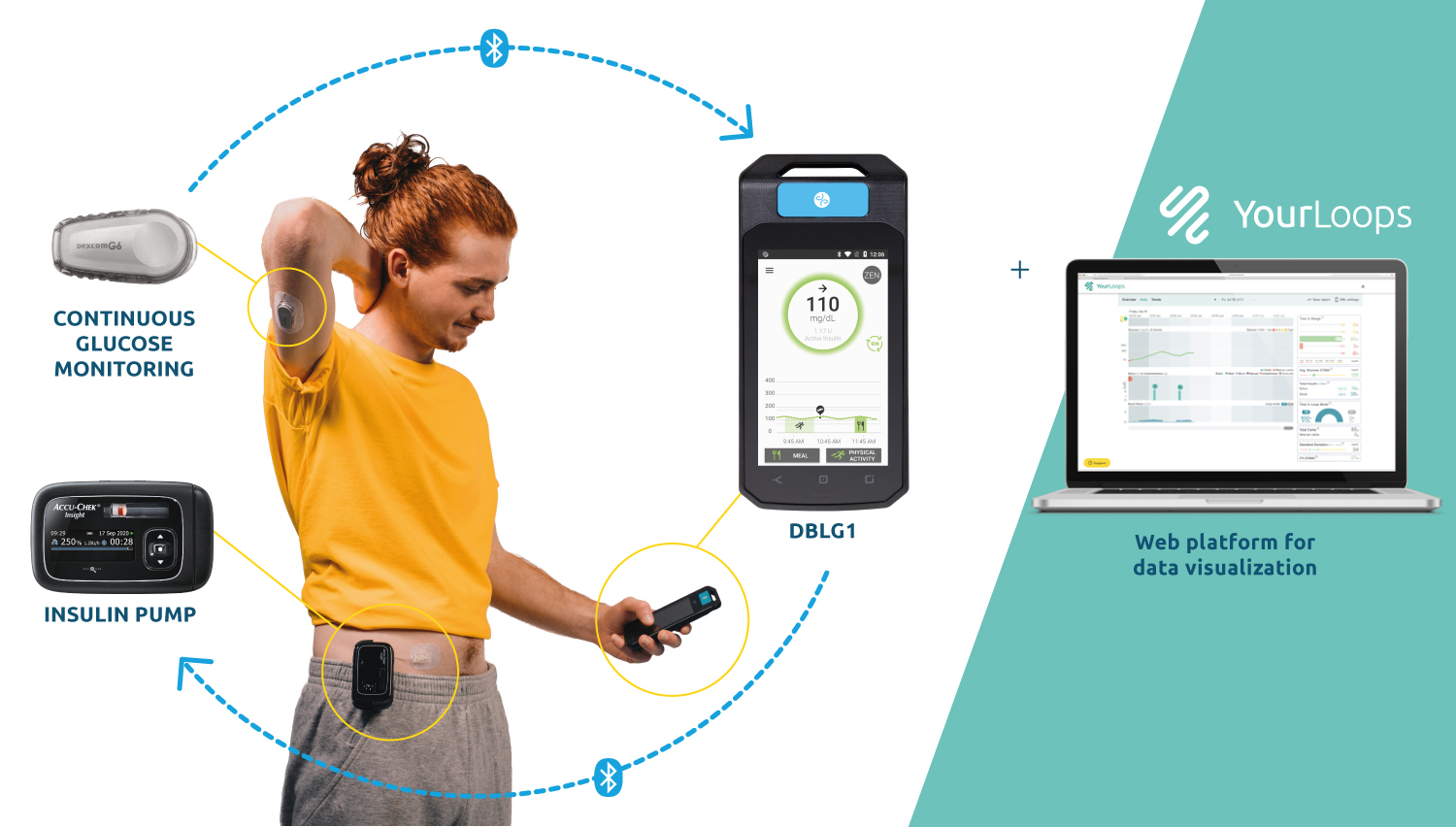
DBLG1 is a self-learning algorithm that automates and personalizes the treatment of Type 1 diabetes. The therapeutic artificial intelligence contributes to reducing the heavy mental burden associated with this chronic condition. Hosted on a dedicated handset, it is connected to a continuous glucose monitor (CGM) and an insulin pump. It analyzes the data in real time, and decides whether to maintain current settings, adjust or stop basal insulin delivery to avoid a predicted low/high or deliver a bolus to correct a high.

YourLoops, Diabeloop’s data visualization platform allows patients to access data generated by DBLG1 and share them with his/hers healthcare team.

SOURCE: EuropaWire

University of Freiburg spin-off with strong preclinical evidence for significant breakthrough in curing prostate cancer

FREIBURG, Germany, 1-Jul-2021 — /EPR HEALTHCARE NEWS/ — Prostate cancer is the second most common cancer. According to the American Cancer Association, 1 in every 8 men will be diagnosed with it in their lifetime. In 2018 around 1.2 million men were diagnosed and there were 360,000 deaths. In Europe alone, 450,000 men are diagnosed with prostate cancer every year. But there could be a cure on the horizon.

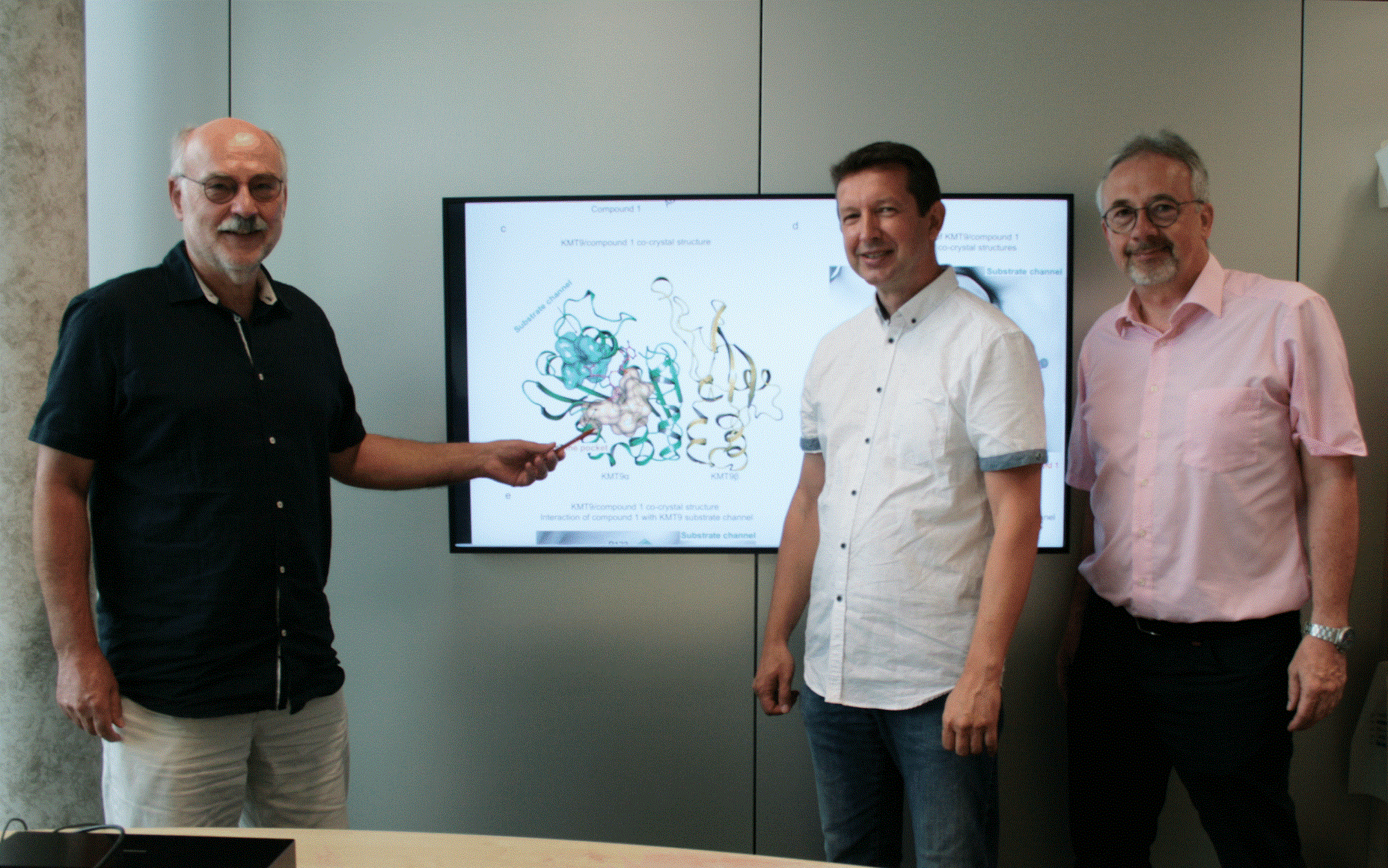
B66, a new company in Germany and a spin-off from the University of Freiburg, Germany, has strong preclinical evidence that its research has made a significant breakthrough after 6 years of dedicated work. Professors Roland Schule, Manfred Jung and Dr Eric Metzger have pioneered research into inhibitors of the histone methyltransferase KMT9 that controls the growth of castration and enzalutamide resistant prostate tumours. These small molecular inhibitors are superior to current state-of-the-art Gold Standard drugs in preclinical models. This new treatment has the prospect of increasing survival in the normally fatal outcome of castration-resistant prostate cancer and becoming the universal therapeutic agent. In addition, the research team’s work shows that their new therapeutic agent has potentials in other cancers including colorectal, breast, bladder and the biggest of all killers, lung cancer.

Professor Roland Schule, one of the B66 founders, and a professor of Biochemistry in the University Medical Centre of Freiburg said “Our findings and approach to treatment is far in advance of anything that is going on in the world at the moment.”

Fellow founder, Professor Manfred Jung, added “many cancer treatments cause damage to the patient’s normal cells but the B66 inhibitor does not target normal cells indicating that our treatment will have minimum side effects”.

Although focused on prostate cancer right now, the B66 team’s long-term objective is to create a world-class development platform that will work on the defeat of many other types of cancer. The Freiburg region, thanks to the University, is a unique centre of leading medical knowledge. B66 will expand their work and draw in some of the skilled scientists from the area to help them work towards building a leading medical development hub.

The B66 team is already seeking commercial partners in order to forward their breakthrough work and advance as quickly as possible to defeat this major cancer.

SOURCE: EuropaWire

Het DBLG1-algoritme: eenvoudige installatie, gebruiksvriendelijk, ontworpeyyn voor elk diabetes type 1 profiel

PARIJS, 2-Jun-2021 — /EPR HEALTHCARE NEWS/ — Vanaf het begin heeft Diabeloop innovatieve systemen ontwikkeld om de behandeling van diabetes type 1 te automatiseren en te personaliseren, waarbij altijd rekening wordt gehouden met de optiek van de patiënt. Het Franse bedrijf streeft ernaar autonomie te geven aan mensen die met diabetes type 1 leven en tegelijkertijd de gebruikerservaring te optimaliseren zodat behandeling van diabetes eenvoudiger en minder ingrijpend is. Het DBLG1-algoritme biedt een bevredigende, geautomatiseerde en gepersonaliseerde ervaring met minimale input van de patiënt.

DBLG1: eenvoudige installatie, gebruiksvriendelijk, ontworpen voor elk diabetes type 1 profiel

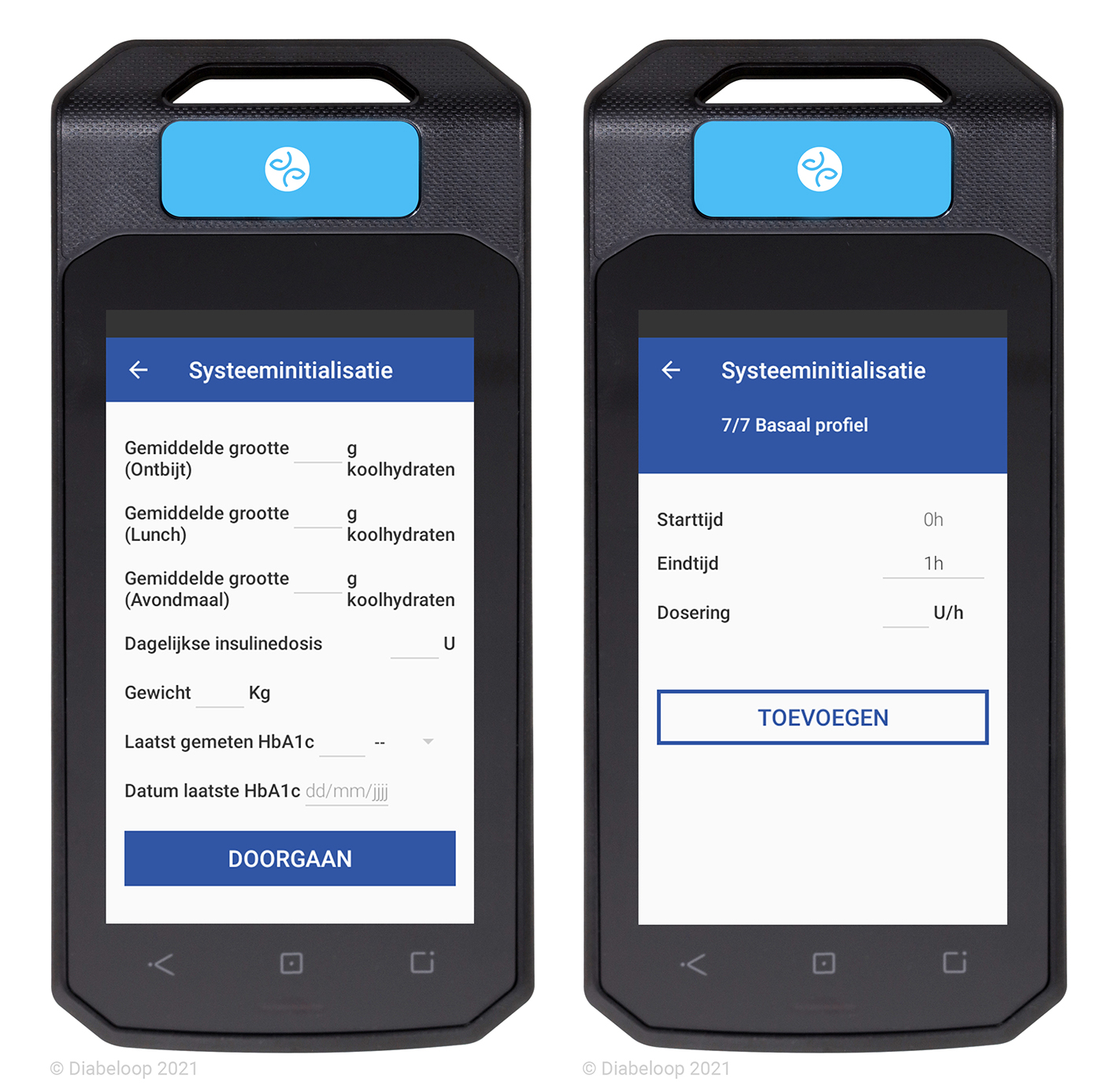
De zware mentale last op de schouders van mensen met diabetes type 1 verlichten, begint in de eerste fasen van de ervaring met DBLG1. Gebruikers hoeven maar 4 gegevens in te voeren in het allernieuwste DBLG1-algoritme voor een veilige, geautomatiseerde en gepersonaliseerde insuline-afgifte. In de opzetfase voeren gebruikers van DBLG1 hun lichaamsgewicht in, hun totale dagelijkse insulinedosis (TDD), hun gebruikelijke maaltijden (in grammen koolhydraten) en hun basale insulinebehoefte (alleen voor open-loop). Voor het Diabeloop-algoritme zijn geen ingewikkelde berekeningen nodig. Gebruikers hoeven hun maaltijdratio niet uit te zoeken, noch hun insuline gevoeligheidsfactor noch hun insuline actiecurve.

De 4 gegevens die de patiënt in de beginfase invoert, zijn voldoende voor het DBLG1 zelflerend algoritme om te functioneren, te berekenen en de insulinedosis zo nodig elke vijf minuten aan te passen.

“We hebben het DBLG1-algoritme zo ontworpen dat het zo eenvoudig mogelijk in gebruik is voor mensen met diabetes type 1 en gebruikers tegelijkertijd de gelegenheid hebben bepaalde parameters nauwkeuriger in te stellen afhankelijk van hun specifieke behoeften en/of leefstijl. Het algoritme houdt automatisch rekening met eventuele wijzigingen die mensen invoeren. Het DBLG1-algoritme optimaliseert de werking automatisch zonder dat de patiënt hier iets voor hoeft te doen. Wijzigingen verlopen op die manier heel soepel en worden vrijwel “onzichtbaar” voor de gebruikers van het systeem“ – vertelde Yousra Tourki, Head of Algorithms Design bij Diabeloop.

Naast de eerste input biedt het DBLG1 System ook de mogelijkheid aan mensen die met diabetes type 1 leven om de behandeling en beheersing van hun diabetes nauwkeurig in te stellen met behulp van aanpasbare instellingen zoals de agressiviteit van het algoritme, de grenswaarden van hypo’s en hypers en de streefwaarde van de glucosespiegel.

Nicole Wetzels, Trainer voor Roche Diabetes Care in Nederland en gebruikster van het DBLG1 System met Accu-Check Insight, vertelt: “Ik leef al meer dan 42 jaar met diabetes type 1 en ben een paar maanden geleden begonnen met het gebruik van het DBLG1 System met een Accu-Chek insulinepomp. De opzet was heel eenvoudig: de batterij in het apparaat doen, de handset opladen en maar 4 parameters invoeren. Het invoeren van een maaltijd is een van de weinige dingen die ik zelf moet doen en ook dat is heel simpel! Maar ik heb tevens de mogelijkheid het systeem te personaliseren door bepaalde instellingen aan te passen zoals de streefwaarde van de glucosespiegel of de grenswaarden voor de hypo … Met hele kleine acties heb ik hele goede resultaten. Dankzij dit AID-systeem hoef ik niet meer de hele dag bezig te zijn met het beheersen en behandelen van mijn diabetes. Het is net of mijn diabetes type 1 op vakantie is!”

DBLG1 AID-systeem: minimale input van de patiënt nodig

Om de bruikbaarheid van het DBLG1 System te beoordelen heeft Diabeloop een wetenschappelijk onderzoek uitgevoerd op basis van reële gegevens afkomstig uit de klinisch proef (1) die vóór de lancering vanhet systeem is gerealiseerd. Het doel was het analyseren van het aantal instellingswijzingen door mensen die het systeem in het dagelijkse leven gebruiken. In de eerste week dat patiënten het DBLG1 System gebruikten, voerden ze gemiddeld slechts 1.6 instellingswijzigingen uit (± 2.3), en maar 0.2 wijziging (± 0.5) in de laatste week van de proef na 11 weken gebruik.

De belangrijkste conclusie is dat in het dagelijkse leven, wanneer de gebruikers zich niet in een beheerste omgeving bevinden zonder specifieke medische follow-up en/of aanbevelingen voor instellingswijzigingen van hun zorgteam, de mensen uitgerust met het DBGL1 System minimale aanpassingen hoeven uit te voeren om te profiteren van een bevredigende, geautomatiseerde en gepersonaliseerde diabetesbehandeling.

Verdere wetenschappelijke analyse (2) toont de gebruiksvriendelijkheid aan van het Automated Insulin Delivery-systeem van Diabeloop. Deze analyse gaf aan dat in de eerste week, 50% van de mensen die het DBLG1 System gebruikten, geen instellingswijzigingen uitvoerden. Bovendien wijzigden meer dan 85% van de mensen uitgerust met het systeem geen enkele instelling gedurende de 8ste week van gebruik.

Dit bevestigt dat het zelflerend algoritme van Diabeloop vanaf de beginfase de behandeling van diabetes type 1 optimaliseert en minimale input van de patiënt nodig heeft om de vereiste ondersteuning te bieden.

Bernhard Gehr, arts en diabetoloog, Centrum voor Diabetes en Metabole ziekten, gespecialiseerde kliniek m&i Fachklinik Bad Heilbrunn, licht toe: “Ik gebruik het DBLG1 System met de Accu-Chek Insight insulinepomp. De opzet en de eerste handelingen zijn zeer eenvoudig. De eenvoud van de gebruikersinterface maakt snelle en makkelijke invoer van de benodigde informatie mogelijk. Ik ben echt onder de indruk van de prestaties van het DBLG1 System. Vanaf de eerste dag had ik een goede controle over mijn stofwisseling. Ik heb veel meer gemoedsrust aangezien ik veel minder aan mijn diabetes hoef te denken! Dit systeem vereist minder tot vrijwel geen micromanagement van mijn behandeling. Ik was aangenaam verrast over hoe goed het algoritme tijdens de eerste nacht functioneerde, met zo weinig input in de beginfase.”

Met DBLG1 beheersen mensen hun eigen diabetesbehandeling

Het DBLG1 System is gebruiksvriendelijk en kan gepersonaliseerd worden zodat mensen die met diabetes leven verschillende instellingen kunnen beheersen.

In het dagelijkse leven biedt het DBLG1 System mensen de mogelijkheid de aan te passen zodat insuline-afgifte bijgesteld wordt om een hypo of hyper te voorkomen. Een van de onderzoeken (3) van Diabeloop, gepresenteerd op ATTD 2021, onthulde dat een daling van de glucosespiegel streefwaarde over het algemeen een vergelijkbare daling van de gemiddelde glucospiegel tot gevolg heeft. Bijvoorbeeld, -10% van de glucosespiegel streefwaarde leidt tot -10% van de gemiddelde glucosespiegel.

In overeenstemming met de missie van Diabeloop om de zware mentale last op de schouders van mensen met diabetes type 1 te verlichten en hen een ongestoord leven te bieden, bevat het systeem een Zen-modus, ontwikkeld op basis van de ervaringen van patiënten. Deze modus verhoogt tijdelijk de doelwaarde van de bloedsuikerspiegel: om rustig naar de bioscoop te gaan of een vergadering bij te wonen zonder een verstorende hypoglykemie en de bijbehorende waarschuwingssignalen, kunnen gebruikers de Zen-modus aanzetten zodat hun glucosespiegel tijdelijk en voor een door hen ingestelde tijd verhoogd wordt.

Een persoon die het DBLG1 System met Accu-Check Insight insulinepomp gebruikt, vertelde: “Zen-modus is voor al die momenten waarop je je “veiliger” wil voelen: tijdens het autorijden, op school, tijdens een examen.”

Een wetenschappelijk onderzoek (4) geleid door Diabeloop en gepresenteerd op ATTD 2021, toonde aan dat 90 minuten na de activering van de Zen-modus, de impact op de gemiddelde glucosespiegel gestabiliseerd was zonder de hyperglykemie te verlengen.

De conclusie is dat, voor een tijd die door de patiënt wordt bepaald, de Zen-modus de gebruikers uit een hypo houdt en tevens een hyper voorkomt. De Zen-modus leidt tot een lichte verhoging van de gemiddelde glykemie met een zeer beperkte impact op de time-in-range.

Het eenvoudige gebruik van het DBLG1 zelflerend algoritme draagt bij tot een ongecompliceerde diabetesbehandeling en haalt een mentale last van de schouders van mensen die leven met deze chronische ziekte zodat ze ongestoord kunnen leven!

SOURCE: EuropaWire

URSAPHARM and CEBINA collaborating to repurpose the antihistamine drug azelastine hydrochloride as a potential anti-SARS-CoV-2 therapeutic

SAARBRÜCKEN / VIENNA, 17-Feb-2021 — /EPR HEALTHCARE NEWS/ — In the fight against the SARS-CoV-2 virus, a large number of pharmaceutical companies are looking for new approaches to combat the pandemic. In addition to vaccines, intensive research and development efforts around the world are focusing on identifying new anti-COVID therapeutics that includes re-evaluation of existing product portfolios with a view to re-purpose drugs that have antiviral properties.

With this goal in mind, URSAPHARM Arzneimittel GmbH, based in Saarbrücken, and the Vienna-based biotech company CEBINA GmbH (Central European Biotech Incubator and Accelerator) are collaborating to repurpose the antihistamine drug azelastine hydrochloride as a potential anti-SARS-CoV-2 therapeutic. Azelastine has been successfully used for many years in anti-allergic therapy.

Starting with a novel computational drug repurposing prediction method, developed and performed by Prof Dr Robert Konrat (University of Vienna), CEBINA selected already approved active substances for experimental testing in collaboration with Prof Dr. Ferenc Jakab (Virology National Laboratory, Szentágothai-Research-Center, University of Pécs, Hungary). This collaborative effort led to the identification of azelastine as a potent antiviral compound effective against SARS-CoV-2, a finding confirmed by now by several independent research groups. The potent anti-SARS-CoV-2 activity of azelastine was demonstrated in a reconstituted human nasal tissue model and was evident at a lower dose than present in commercially available nasal sprays [1].

A clinical trial has started on February 16th 2021 to verify whether the use of a nasal spray preparation containing azelastine can achieve a reduction in viral load in the the nasal cavity. The aim of the study is to show whether the anti-allergic medication Pollival® Nasal Spray, or a diluted version, can achieve a reduction in the viral load, therefore reducing transmission and positively influencing the course of the disease.

If positive results of the running clinical studies are demonstrated, URSAPHARM Arzneimittel GmbH and CEBINA GmbH believe this will be an important new approach to control viral spread and contain the current pandemic.

SOURCE: EuropaWire

Palette Life Sciences unveils 4 international sites for its Deflux online presence

SANTA BARBARA, CALIF. / STOCKHOLM, 27-Oct-2020 — /EPR HEALTHCARE NEWS/ — Palette Life Sciences, a fully integrated global life sciences company dedicated to improving patient outcomes, today introduced valuable new online resources for healthcare providers in France, Germany, Italy and Spain. By expanding its Deflux online presence to international audiences, Palette Life Sciences demonstrates its commitment to supporting the global paediatric community.

Deflux.fr is a French-language resource for healthcare providers in France. Deflux.com/de is a German-language site serving practitioners in Germany. Deflux.com/es and Deflux.it are English-language sites serving physicians in Spain and Italy respectively. These new sites offer best-in-class online resources, important information and education about VUR, including symptoms, causes, risk factors and treatment options, such as Deflux®. All of the European sites provide physicians with access to the global Deflux Learning Center, a leading education platform that features information and training for paediatric urologists and their peers who treat VUR. The Deflux Learning Center includes clinical articles, educational videos, webinars, brochures, downloadable tools and The PedSpace podcast series, created for and presented by paediatric urology healthcare professionals.

The Deflux Learning Center for each respective country also provides downloadable educational materials for parents and caregivers managing children with vesicoureteral reflux (VUR).

“My personal long-term experience with Deflux has proven its effectiveness and safety in reducing VUR and preventing UTI recurrence in patients who fail medical management, thus avoiding use of long-term antibiotics. It is my hope that the new website initiative, which includes helpful resources for physicians, will help raise awareness of this treatment option in patients with primary VUR, troubled by recurrent febrile UTIs,” said Dr. Marie-Klaire Farrugia, Consultant Paediatric Urologist and Service Lead for Paediatric Surgery at Chelsea & Westminster and Imperial College Hospitals.

“We are excited to offer these new online resources to the healthcare community in France, Germany, Italy and Spain,” said Rich Low, Head of Marketing at Palette Life Sciences. “We are confident they will benefit the global paediatric urology ecosystem and serve as valuable resources by providing critical information and access to educational resources through the Deflux Learning Center.”

SOURCE: EuropaWire

ShigETEC vaccine candidate has the potential to have a major impact on diarrheal diseases

VIENNA, 24-Sep-2020 — /EPR HEALTHCARE NEWS/ — Eveliqure Biotechnologies GmbH, an Austrian biotechnology company, today announces the initiation of clinical testing for its ShigETEC vaccine candidate, with the dosing of the first subject in a Phase 1 safety and immunogenicity study in Europe. ShigETEC is an orally administered vaccine candidate targeting Shigella and Enterotoxigenic E. coli (ETEC), two of the major pathogens responsible for diarrhoeal diseases in travelers to endemic countries, as well as a major threat to children living in low- and middle- income countries.

Currently no effective vaccines against these two pathogens exist and previous attempts to develop vaccines against Shigella and ETEC have failed. Eveliqure has employed a radically innovative approach based on a live attenuated Shigella vaccine strain rationally designed to provide broad, serotype independent protection against both Shigella and ETEC, and is developing the vaccine for both travelers to endemic countries and for children living in resource-poor countries. Following this initial Phase 1 study run in Hungary, further clinical development of ShigETEC will include Phase 1 testing in non-endemic adults, immune characterization of vaccine responses, vaccine formulation studies and clinical testing of ShigETEC in the pediatric population in resource poor-countries. These activities are supported by the EU-funded SHIGETECVAX international consortium of world-leading vaccine organizations – the European Vaccine Initiative, Eveliqure Biotechnologies, University of Gothenburg, icddr,b and PATH.

“Entering clinical development with ShigETEC marks a major milestone for Eveliqure, culminating from our extensive preclinical work performed over the past five years” – commented Gábor Somogyi, MD, MBA, Chief Executive Officer of Eveliqure. “We believe that ShigETEC has the potential to reduce the burden of diarrhoeal diseases for travellers, while also saving hundreds of thousands of children in endemic areas of the world”.

“Initiating the Phase 1 study for ShigETEC in adult volunteers is a crucial step towards establishing safety and immunogenicity of our vaccine candidate, and will help us define a well-tolerated, and effective schedule of dosing for our planned Phase 2 human challenge studies”. – commented Frank Malinoski MD, PhD, Chief Medical Officer of Eveliqure.

Compared to single pathogen approaches, ShigETEC has the potential to have a major impact on diarrheal diseases, protecting both travelers to the developing world and children in endemic populations.

SOURCE: EuropaWire

Palette Life Sciences unveils an online resource aimed at paediatric urologists, parents and caregivers in the UK dealing with vesicoureteral reflux (VUR)

SANTA BARBARA, CALIF., U.S.A. / STOCKHOLM SWEDEN, 4-Aug-2020 — /EPR HEALTHCARE NEWS/ — Palette Life Sciences, a fully integrated global life sciences company dedicated to improving patient outcomes, today announced the launch of Deflux.com/UK as part of its global expansion. Deflux.com/UK is a best-in-class online resource developed specifically for healthcare practitioners in the United Kingdom, as well as parents and caregivers managing children with vesicoureteral reflux (VUR). VUR, sometimes referred to as urinary or bladder reflux, is a serious paediatric urinary condition in which urine flows from the bladder through one or both ureters toward the kidneys.

Deflux.com/UK features important information about VUR, including symptoms, causes, risk factors and treatment options, such as Deflux®. Comprised of hyaluronic acid (HA) and dextranomer polysaccharides to form a gel, Deflux is a minimally invasive biocomopatible treatment for VUR. Endoscopic treatment with Deflux takes about 15 minutes in a day procedure setting, and generally allows the child to go back to normal activities the next day.

Deflux.com/UK also provides physicians with access to the Deflux Learning Center, a leading global education platform that features information and training for paediatric urologists and their peers who treat VUR as well as other paediatric urology conditions. The Deflux Learning Center includes clinical articles, educational videos and webinars, brochures, downloadable tools and The PedSpace podcast series, created for and presented by paediatric urology healthcare professionals.

“Deflux is an effective, minimally-invasive treatment option that many caregivers simply aren’t aware of,” said Dr. Marie-Klaire Farrugia, Consultant Paediatric Urologist and Clinical Director for Paediatric Surgery at Chelsea and Westminster Hospital. “My personal long-term experience with Deflux has proven its effectiveness and safety in reducing VUR and preventing UTI recurrence, thus avoiding use of long-term antibiotics. It is my hope that the new website initiative, which includes helpful resources for both physicians and caregivers, will help raise awareness and utilisation of this treatment option.”

“The entire Palette commercial team is excited to launch Deflux.com/UK, which we believe will help elevate the standard of care for VUR patients in the UK,” said Rich Low, Head of Marketing, Palette Life Sciences. “Deflux.com/UK will serve as a truly valuable resource for caregivers, providing critical information to paediatric urology healthcare professionals through the Deflux Learning Center, and to caregivers, connecting them to highly-trained specialists who provide high quality care.”

SOURCE: EuropaWire

Palette Life Sciences expands distribution network across Europe

STOCKHOLM, SWEDEN / SANTA BARBARA, CALIF., USA, 15-Jun-2020 — /EPR HEALTHCARE NEWS/ — Palette Life Sciences, a fully integrated global life sciences company dedicated to improving patient outcomes, today announced global distribution expansion for two of Palette’s products, Deflux and Solesta. The expansion provides commercial access to more than 20 countries through five distributors around the globe, while adding direct sales in four additional countries: Cyprus, Greece, Hungary and Portugal.

KEBOMED, a leading European distributor of medical devices and equipment, will distribute the products in France, Sweden, Norway, Finland, Denmark and Iceland. Stratarium Sarl, will commercialize the products in Germany, Austria, Belgium, Luxembourg, Netherlands and Switzerland leveraging their urology focused subsidiary, RA Distribution. CJ Medical, a UK-based distributor of innovative technologies specializing in surgical and medical devices, will distribute the products in Ireland and the United Kingdom. Grifols, one of the leading companies in the production and sale of plasma-derived medicines and a top distributor of a broad range of products within their country will cover Spain, and GP Dermal, a specialist with deep ties across urology and pediatric call points will serve as the distributor in Italy and Malta.

“This enhanced distribution network allows Palette to ensure our customer and patient needs are adequately met across Europe,” said James Leech, Head of Corporate Development at Palette Life Sciences. “We have selected strong partners with deep experience and relationships in the urology and pediatric setting who will help us serve the product and education needs of physicians and hospitals. Palette and its network of partners are making significant investments within local markets to improve physician access to Palette resources, best management and treatment practices, and renewed product training.”

For more information or to place an order, please contact a Palette Life Sciences representative at eusales@palettelifesciences.com. Contact information for product orders or inquires by distributor are as follows:

KEBOMED: ordre@kebomed.dk
Stratarium Sarl: deflux-solesta@stratarium.com
CJ Medical: office@cjmedical.com
Grifols: jose.sagales@grifols.com
GP Dermal: luigi.galandini@gpdermal.com

SOURCE: EuropaWire

American Hemp Processing To Roll Out Mobile Extraction Units

Sacramento, California, 2019-Dec-10 — /EPR HEALTHCARE NEWS/ — American Hemp Processing (AHP) is excited to announce the design completion of their Mobile Hemp Extraction Unit (MEHU). This is a key step in AHP’s expansion to increase production to 400,000lbs of hemp per month that will be completed 1st quarter 2020. The mobility of the MEHU reduces overall processing costs, mitigates many of the risks associated to transportation, and increases transparency with farmers.

The MHEU units bring significant benefits to the farmer from both a financial and risk mitigation perspective. “Most hemp farms are not close to processing facilities. Transportation is a large cost and increases the risk of degradation and contamination. On top of that, farmers still have to deal with legal issues in states that aren’t familiar with hemp and mistake it for marijuana,” says Andrew Alvarez Co-Founder and Chief Technology Officer “Additionally, it increases transparency with farmers and helps educate them along the way to build synergistic relationships”.

“The design of the MHEU was Phase 2 of our strategy,” says Shick Park Co-Founder and Chief Operations Officer, “Phase 1 was developing a scalable extraction and remediation process enabling us to create high quality and compliant CBD oil, and Phase 3 is the roll-out of the mobile extraction units on to farms fall of 2020.”

“This caps off a 12 month design process by our engineers and now we go to the assembly phase. These units will take approximately 120 days each to build, and we plan to initially build 3,” says Co-Founder and CEO Tom Richardson. “This has been a very rewarding journey for us, from meeting farmers all over the country, to government legislators, to fine tuning the extraction process, to meeting other processors and sharing ideas, we feel very confident about the Cannabinoid Sector business.”

Via EPR Network
More Healthcare press releases

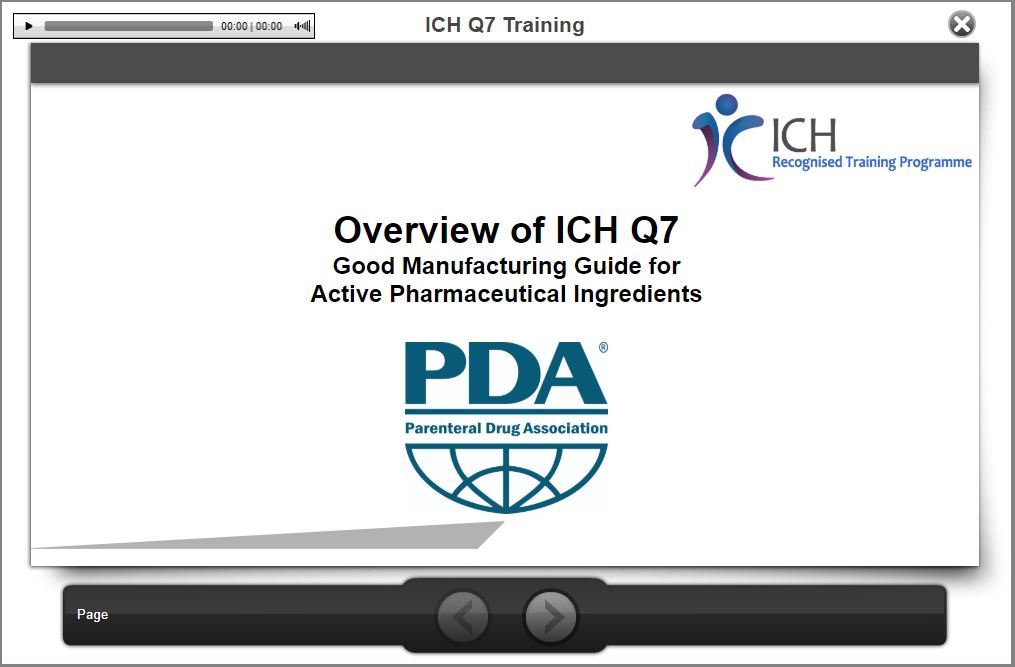
Parenteral Drug Association’s “ICH Q7 GMP for APIs” online training module is now endorsed by ICH

BERLIN, 22-Nov-2019 — /EPR HEALTHCARE NEWS/ — The Parenteral Drug Association (PDA) is proud to announce that its “ICH Q7 GMP for APIs” online training module is now endorsed by the International Council for Harmonisation of Technical Requirements for Pharmaceuticals for Human Use as an “ICH Recognised Training Programme.”

The training module received the distinction after PDA demonstrated to ICH that it meets the twelve eligibility criteria for the program. Among these are its mission to serve as a neutral convening platform to engage expert stakeholders from industry, academia, advocacy groups, non-profits, and/or regulatory agencies on critical regulatory topics, and its promotion of regulatory convergence to accelerate innovation and improve healthcare globally.

The free “ICH Q7 GMP for APIs” training module introduces and improves understanding of the ICH quality guideline, Q7: Good Manufacturing Practice Guide for Active Pharmaceutical Ingredients. The webinar is intended for pharmaceutical professionals working with APIs. More information on the webinar is available here: https://www.pda.org/global-event-calendar/ich-q7-gmp-for-apis.

SOURCE: EuropaWire

###

First Rhenium-SCT® (Skin Cancer Therapy) treatment in Germany done by Dr. Lutz-Hendrik Holle

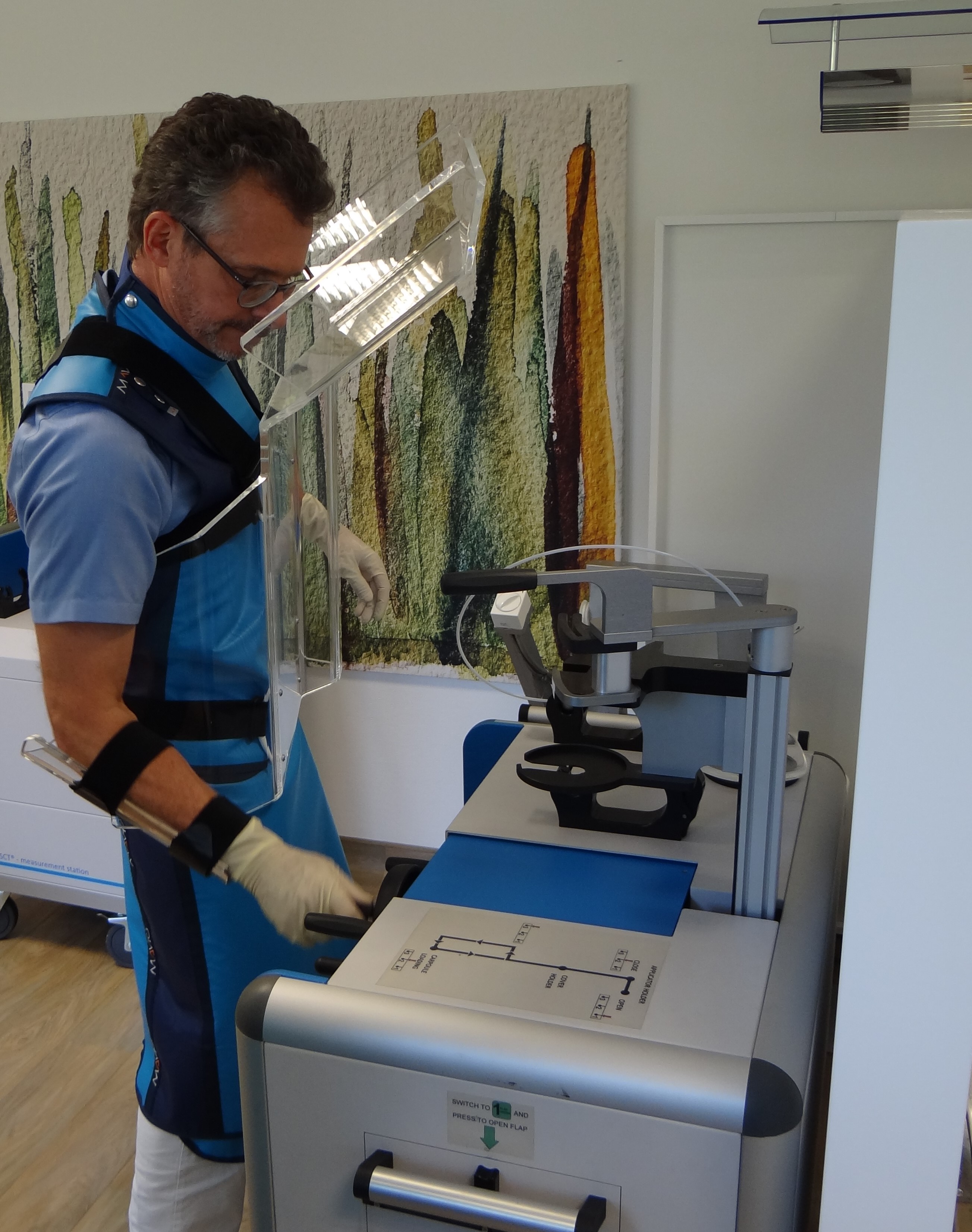
HANAU, Germany, 4-Oct-2019 — /EPR HEALTHCARE NEWS/ — OncoBeta®, a Medical Device Company specialized in innovative epidermal radioisotope therapies for Non-Melanocytic Skin Cancers (NMSCs), announced today, that Dr. Lutz-Hendrik Holle, Medical Director of the interregional professional association for nuclear medicine in Hanau, has accomplished the first Rhenium-SCT® (Skin Cancer Therapy) treatment in Germany. This state-of-the-art technology of local radionuclide therapy offers a painless and non-invasive treatment option for patients with basal cell carcinoma and squamous cell carcinoma (BCC and SCC) and the interregional professional association for nuclear medicine Hanau is the first center in Germany that offers the Rhenium-SCT®.

With approximately 50.000 outpatient examinations annually, the interregional professional association for nuclear medicine Hanau is one of the biggest nuclear medicine service providers in Hesse. The offered services include a variety of different modern treatment and diagnostic methods. The key argument for the expansion of the spectrum was that the Rhenium-SCT® is a new, painless and highly efficient treatment option that also delivers excellent cosmetic results. Besides being a painless alternative to other procedures, the Rhenium-SCT® also allows the treatment of numerous NMSC lesions consecutively in a single session, which was already realized during the first treatment in Hanau. This has also attracted international attention so that an American patient travelled to Hanau for the treatment.

“This therapy is particularly suitable for tumor localizations where good cosmetic results are to be achieved. The fact that the treatment is completely painless and can be performed in just one session is a great advantage”, says Dr. Lutz-Hendrik Holle, Medical Director of Nuclear Medicine in Hanau.

“We are very happy and proud to be able to offer our revolutionary treatment to patients in Germany now. The interregional professional association of nuclear medicine in Hanau is an excellent partner for NMSC patients in the fight against NMSC”, said Shannon D. Brown III, CEO and Managing Director of OncoBeta® GmbH. “Unfortunately, Germany is one of the countries that has experienced a drastic increase in newly diagnosed NMSC cases in recent years. Our highly qualified team strives to provide physicians and patients with a non-invasive and affordable solution to treat NMSC, while focusing on the needs of the patient.”

The global incidence of non-melanoma skin cancers has been drastically increasing over the past decades. Depending on the source, it is estimated that there are over 5 million non-melanoma skin cancer cases reported globally each year. In certain analyzed areas of Germany there was an increase in the incidence between the year 2005 and the year 2014 by about 30%1. To serve the increasing medical need for innovative therapies in this field and to improve the quality of patients’ lives, OncoBeta® GmbH has developed its innovative Rhenium-SCT® which only require a single application in most of the cases, applied in one single session with excellent aesthetic outcomes.

Via EPR Network
More Healthcare press releases

CoapTech and Fidmi Medical to Collaborate on Groundbreaking G-Tube Systems

Baltimore, MD, 2019-Sep-18 — /EPR HEALTHCARE NEWS/ — CoapTech LLC (Baltimore, MD) and Fidmi Medical, Ltd. (Caesarea, Israel) announced today that they will be collaborating on bringing to market a set of next-generation products for the initial placement and long-term maintenance of gastrostomy tubes (G-tubes). The collaboration between CoapTech and Fidmi will focus on integrating the company’s two technologies and expanding their collective market opportunities.

Gastrostomy tubes, which help patients receive long-term nutritional support, are typically placed endoscopically and need to be replaced every 3-6 months.

CoapTech’s PUMA-G System allows initial gastrostomy tube placement by non-surgeons/ gastroenterologists, outside of the endoscopy suite, using point-of-care ultrasound at the patient bedside. This novel approach can be performed in the ICU, emergency room, and eventually outside of the hospital setting, substantially reducing costs for tube placement.

Fidmi Medical’s innovative low-profile gastrostomy system is unique in that it can be utilized for both initial placement and replacement and has several features which make it more durable and comfortable for patients. Gastrostomy tubes very often get dislodged, clogged, or infected, and need to be replaced frequently. Fidmi’s improved low-profile gastrostomy tube is placed just like any standard PEG tube but has an easily replaceable inner tube which can be changed by patients without the need to re-enter the healthcare system for replacement procedures. This will result in fewer complications with patients’ g-tubes, therefore potentially reducing healthcare costs for payers and healthcare systems; as well as providing a substantial improvement in quality of life for patients and their caregivers.

Fidmi Medical Chairman, Lloyd Fishman, commented, “We are excited to collaborate with CoapTech in development and marketing. Both companies have developed cutting-edge technologies that will improve patient care and contribute to the ease, efficiency and confidence of clinicians’ work in the gastrostomy field.”

Dr. Steven Tropello, CoapTech’s founder and CMO said, “In combination these systems will be compatible with Push or Pull methods, be implantable in a wide variety of clinical settings, and require minimal readmission to the hospital and fewer visits to the ER. The synergy will reduce both front and back-end costs for hospitals and payers, and make care safer and more patient-centered.”

Via EPR Network
More Healthcare press releases

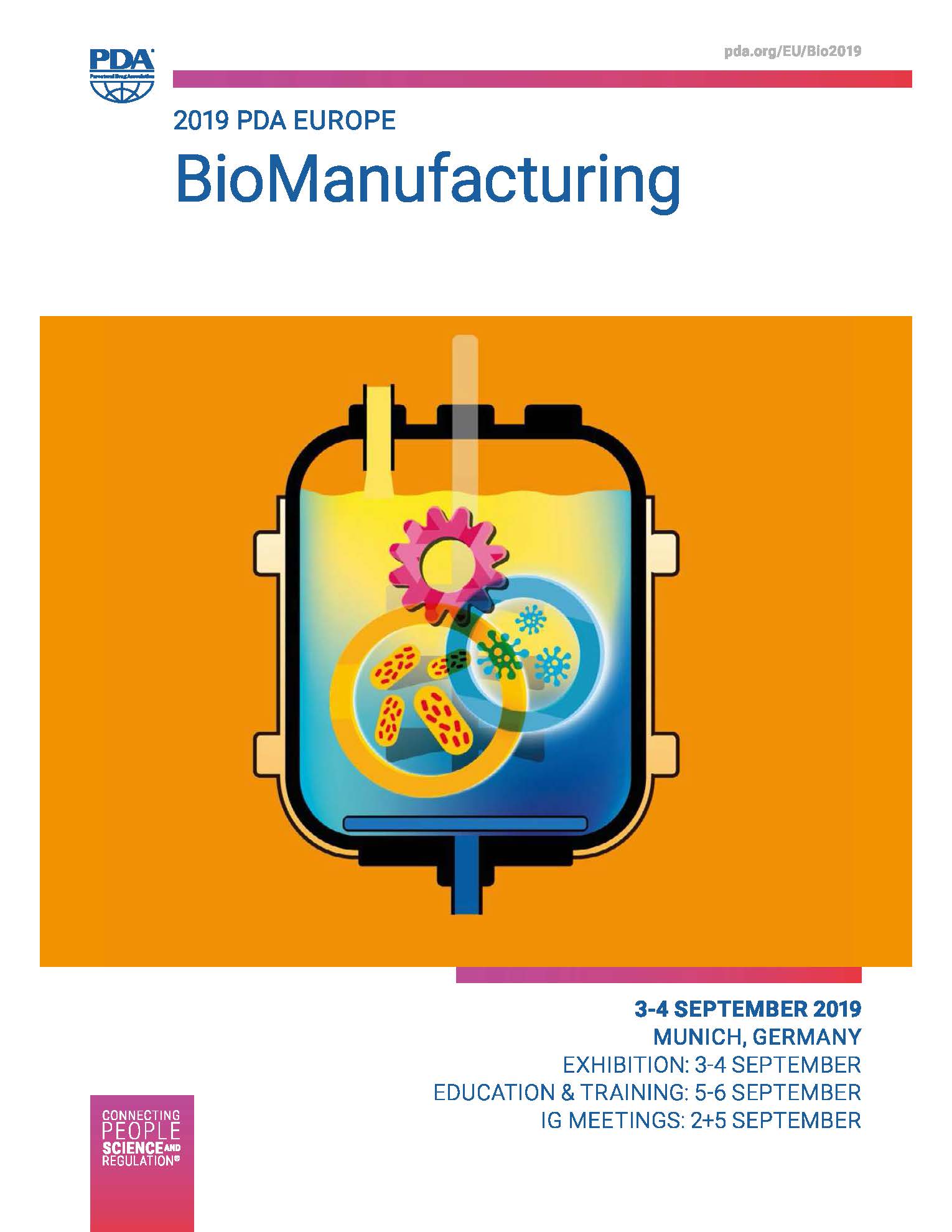
2019 PDA Europe Biomanufacturing Conference in Munich: new speakers announced

2019 PDA Europe Biomanufacturing Conference in Munich: new speakers announced

BERLIN, 14-Aug-2019 — /EPR HEALTHCARE NEWS/ — The Parenteral Drug Association (PDA) today announced representatives of seven health authorities have been invited to speak at the 2019 PDA Europe Biomanufacturing Conference, 3-4 September 2019 in Munich, Germany. The following health authorities have confirmed speakers:

  • Danish Medicines Agency
  • Dutch Medicines Evaluation Board
  • European Medicines Agency
  • European Directorate for the Quality of Medicines & Healthcare (EDQM)
  • Swedish Medicines Agency

Mats Welin, Medical Products Agency, Sweden, and Dolores Hernan, European Medicines Agency, will provide an opening plenary talk on Accelerated Access and discuss the results of a 2018 EMA/FDA workshop on quality considerations for early access approaches. Those intrigued by Accelerated Access can learn more in the follow-up session, moderated by Martjin van der Plas, Dutch Medicine Evaluation Board. Welin and Hernan will participate in a panel discussion ending that session.

After a the first-day luncheon, Nanna Kruse, Danish Medicines Agency, will peel away some of the mystery surrounding the forthcoming International Conference on Harmonization (ICH) Guideline Q12: Technical and Regulatory Considerations for Pharmaceutical Product Lifecycle Management. In a parallel track, the Austrian Agency for Health and Food Safety (speaker TBD) will intrigue the audience with a review of challenges regulators routinely face with the advent of new vaccines and innovative biologics.

Bright and early on 4 September, the EDQM’s Gwenael Cirefice and the Dutch Medicines Evaluation Board (speaker TBD) turn the attention to ICH and advances in test methodologies. In a parallel track, Martjin van de Plas returns to the podium to review regulatory ideas regarding quality by design and control strategies. Hernan takes the mic as the conference’s last speaker to discuss EMA’s 2025 regulatory science strategy.

The meeting will close with a panel discussion including all the regulatory representatives participating.

Learn more about the topics that will be examined in-depth and/or to register. https://www.pda.org/global-event-calendar/event-detail/biomanufacturing-conference

Members of the press are welcome to apply for a press pass. https://www.pda.org/about-pda/press-pass-request-form

SOURCE: EuropaWire

2019 Red Herring North America Top 100 Winner: New recognition of OncoBeta’s success in developing and providing an innovative therapy for non-melanoma skin cancer patients

Pasadena, CA, U.S.A., 6-Jul-2019 — /EPR HEALTHCARE NEWS/ — OncoBeta®, a Medical Device Company specialized in innovative epidermal radioisotope therapies for Non-Melanocytic Skin Cancers (NMSCs), announced today, that it was honored as a Red Herring Top 100 North America Award winner recognizing the continent’s most exciting and innovative private technology companies. After being recognized with the Red Herring Top 100 Europe Award earlier this year, this is now the second recognition obtained by Red Herring.

The winners, celebrated at a special awards ceremony at the Westin Pasadena hotel, have been chosen from thousands of entrants, whittled down to hundreds making the trip to California. The ceremony, led by Red Herring chairman Alex Vieux, was preceded by two days of keynote speeches, discussions and finalist presentations.

Companies were judged by industry experts, insiders and journalists on a wide variety of criteria including financial performance, innovation, business strategy, and market penetration. Winners ran the gamut of verticals, from FinTech and Marketing to Security, IoT, and many more industries.

Red Herring’s editors have been evaluating the world’s startups and tech companies for over two decades. It gives them the ability to see through the industry’s hype to pick firms that will continue on a trajectory to success. Brands such as Alibaba, Google, Kakao, Skype, Spotify, Twitter and YouTube have all been singled out in Red Herring’s storied history.

“2019’s crop of Top 100 winners has been among our most intriguing yet,” said Vieux. “North America has led the way in tech for so many years, and to see such unique, pioneering entrepreneurs and companies here in California, which is in many ways the heartland of the industry, has been a thrilling experience.”

“What has excited me most is to see so many people forging niches in high-tech and cutting edge sectors,” added Vieux. “Some of the technical wizardry and first-rate business models showcased here at the conference has been fantastic to learn about. We believe OncoBeta® embodies the drive, skill and passion on which tech thrives. OncoBeta® should be proud of its achievement – the competition was incredibly strong.”

“Being named as one of the Red Herring’s Top 100 North America award winner in addition to the Top 100 Europe is a great honor for us.” states Shannon D. Brown III, CEO of OncoBeta®. “The spirit of the award aligns perfectly with our team’s mission in the fight against non-melanocytic skin cancer (NMSC) with the Rhenium-SCT®.”

The complete list of the 2019 Red Herring North America Top 100 Winners can be found here in alphabetical order: https://www.redherring.com/2019-rhna-top100-winners/

Red Herring’s press release is available online at https://www.redherring.com/red-herring-2019-top-100-north-america-winners-press-release/

SOURCE: EuropaWire

EMA, MHRA and U.S. FDA among regulatory agencies participating at PDA’s 4th Annual European Meeting in Amsterdam

BERLIN, 10-Jun-2019 — /EPR HEALTHCARE NEWS/ — The Parenteral Drug Association (PDA) is excited to host its 4th Annual European Meeting: Global Healthcare of the Present and the Future, June 25-26 in Amsterdam, The Netherlands, the new location of the European Medicines Agency, where industry and regulatory agencies will present their perspectives on the transformation unfolding in the pharmaceutical sector regarding the digitalization and automation of manufacturing processes.

From the Max Planck Institute for Human Development, Felix G. Rebitschek will deliver the keynote speech, “Decision-Making Under Uncertainty.” Following him, the opening plenary “Regulatory Updates – Current Situation” will discuss understanding regulatory frameworks in an atmosphere of rapid change and provide the opportunity to participate in conversation with regulators and industry representatives.

Regulatory agencies sharing industry updates include the European Medicines Agency, U.S. FDA, WHO, MHRA and HPRA, PIC/S.

A series of parallel tracks will offer the chance to learn about topics ranging from virtual reality, data quality management, manufacturing technologies and much more.

Learn more about the topics that will be examined in-depth.

Registration (https://store.pda.org/Meetings/Login.aspx?ID=4520) can be completed until June 24.

Bona fide members of the press are welcome to apply for a press pass.

SOURCE: EuropaWire